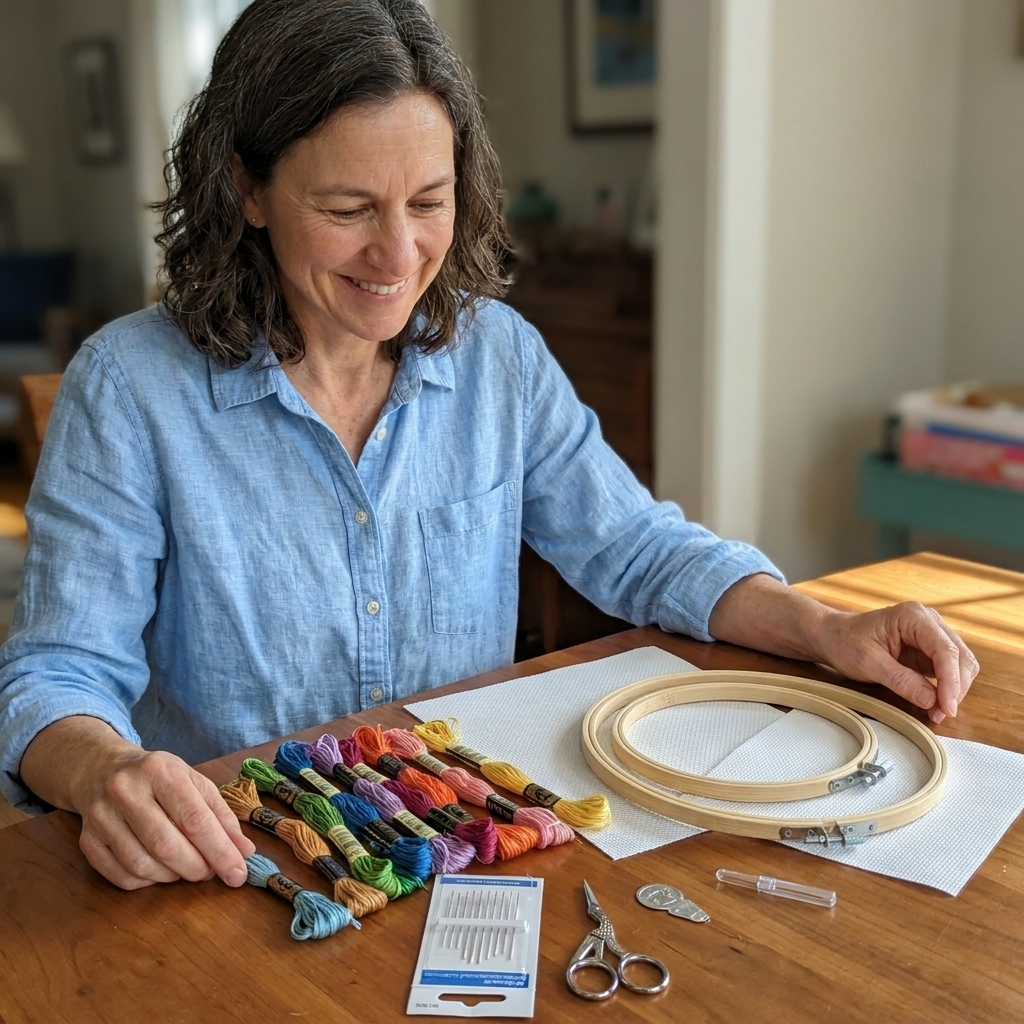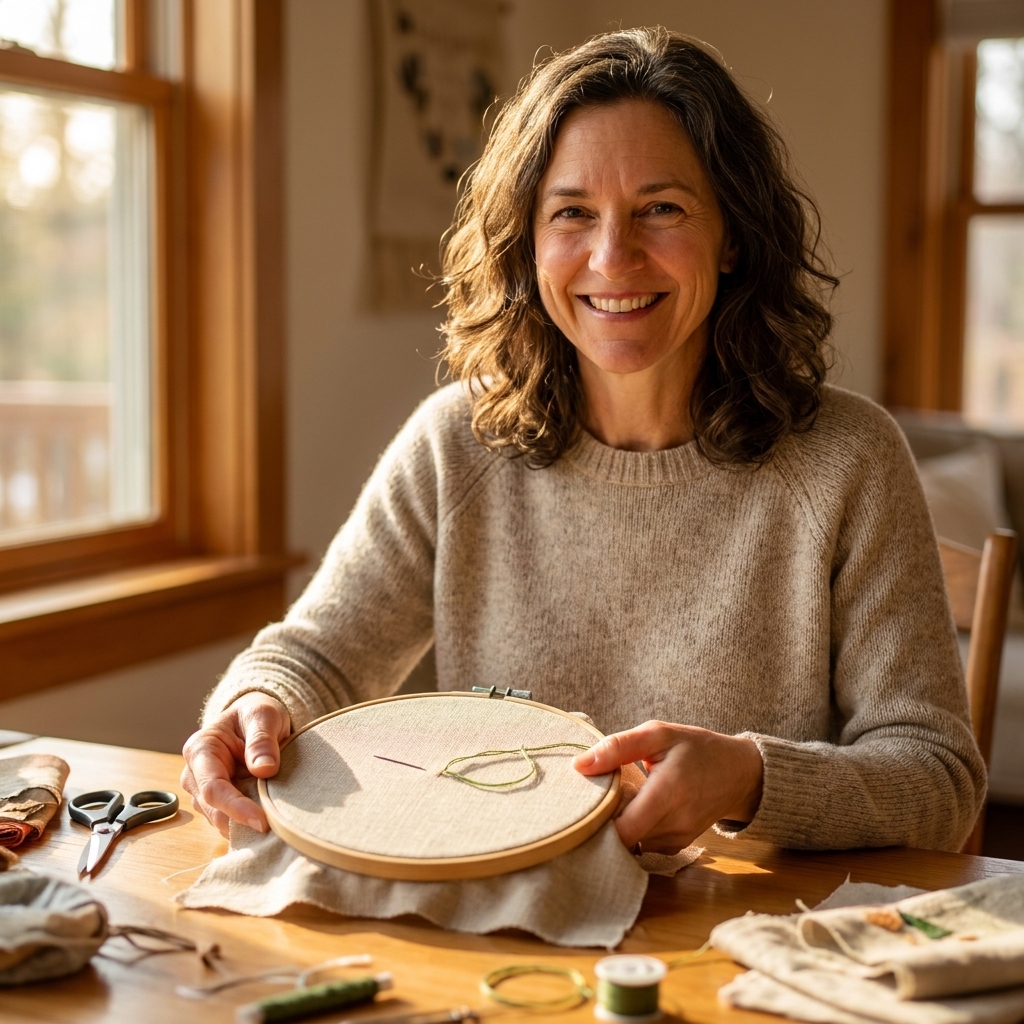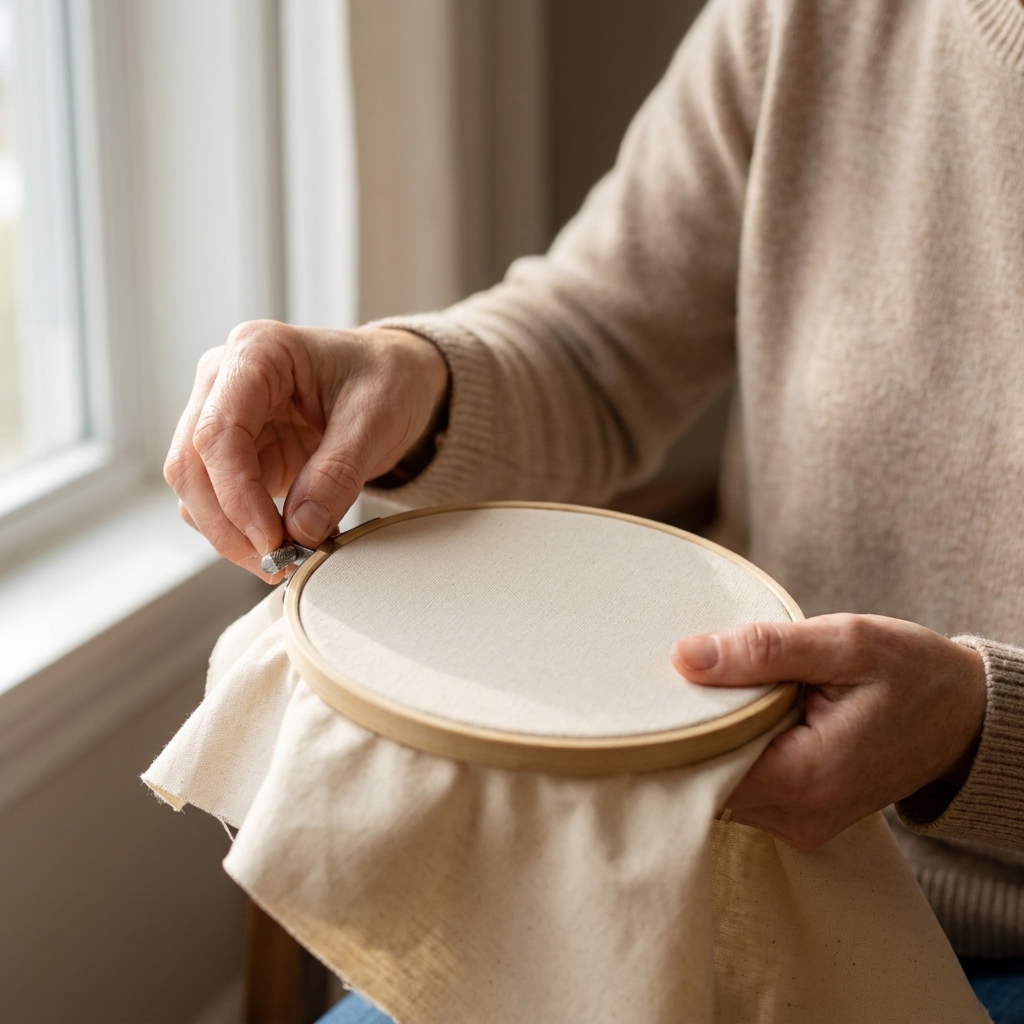
If you have ever stood in the fabric aisle holding a stiff sheet of Aida in one hand and a floppy piece of cotton in the other, wondering which one your pattern actually wants, you are in very good company. Fabric is the quiet hero of every stitching project. It decides how easy it is to count, how smooth your stitches look, and whether your finished piece feels crisp or cozy.
In this guide, we will walk through the three most common beginner choices for embroidery and cross stitch: Aida cloth, evenweave, and plain cotton. We will also demystify fabric “count” so you can buy the right size the first time, not after a dramatic mid-project realization. I have been there.
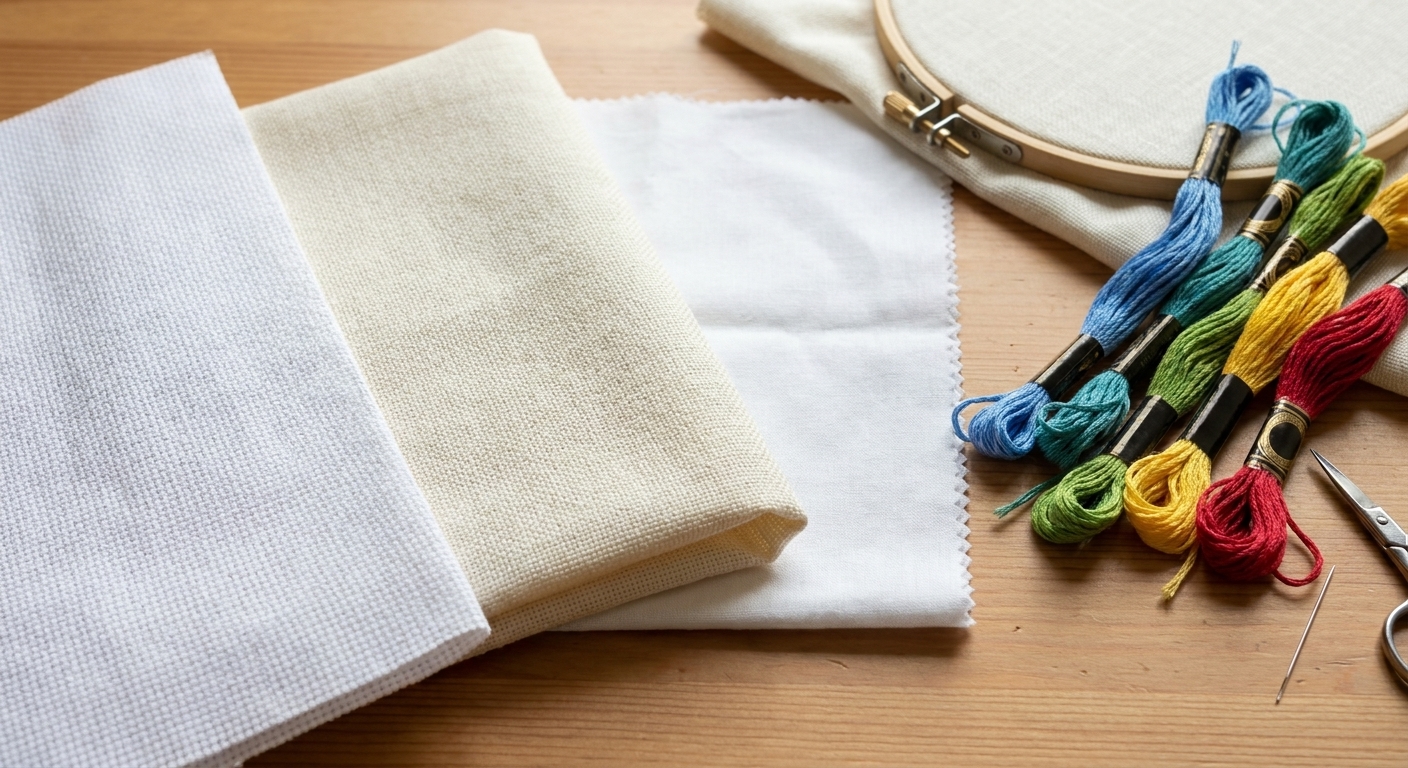
Start with the pattern: cross stitch or embroidery?
The easiest way to choose fabric is to match it to how the design is built.
- Counted cross stitch is based on tidy little X stitches placed on a grid. Fabrics with an obvious grid, like Aida, make this wonderfully beginner-friendly.
- Surface embroidery (backstitch, satin stitch, French knots, florals, lettering) is drawn or transferred onto fabric, then stitched like coloring with thread. Smooth fabrics like plain cotton are usually the most comfortable choice.
Yes, you can absolutely mix and match, but if you are new, choosing the “natural” fabric for the technique saves a lot of frustration and a few choice words at your hoop.
Aida cloth: the beginner’s best friend for cross stitch
Aida is the classic cross stitch fabric for a reason. It is woven in a way that creates clear little squares, so you always know where your needle should go. It is also usually a bit stiff, which helps it behave in the hoop or frame.
Why beginners love Aida
- Easy to count because the holes are obvious.
- Fast to learn since you are not guessing where to place stitches.
- Widely available in craft stores and online in lots of colors.
Things to watch out for
- Stiffness can feel awkward at first, especially in-hand stitching. (A hoop or Q-snap helps.)
- Blocky detail on lower counts, because bigger squares mean bigger stitches.
- Fraying edges if you do not finish the edges. A quick zigzag stitch, masking tape, or an overcast stitch saves your sanity.
If you are stitching your first counted pattern, Aida is almost always the smoothest starting point.
Evenweave: for smoother finishes and finer detail
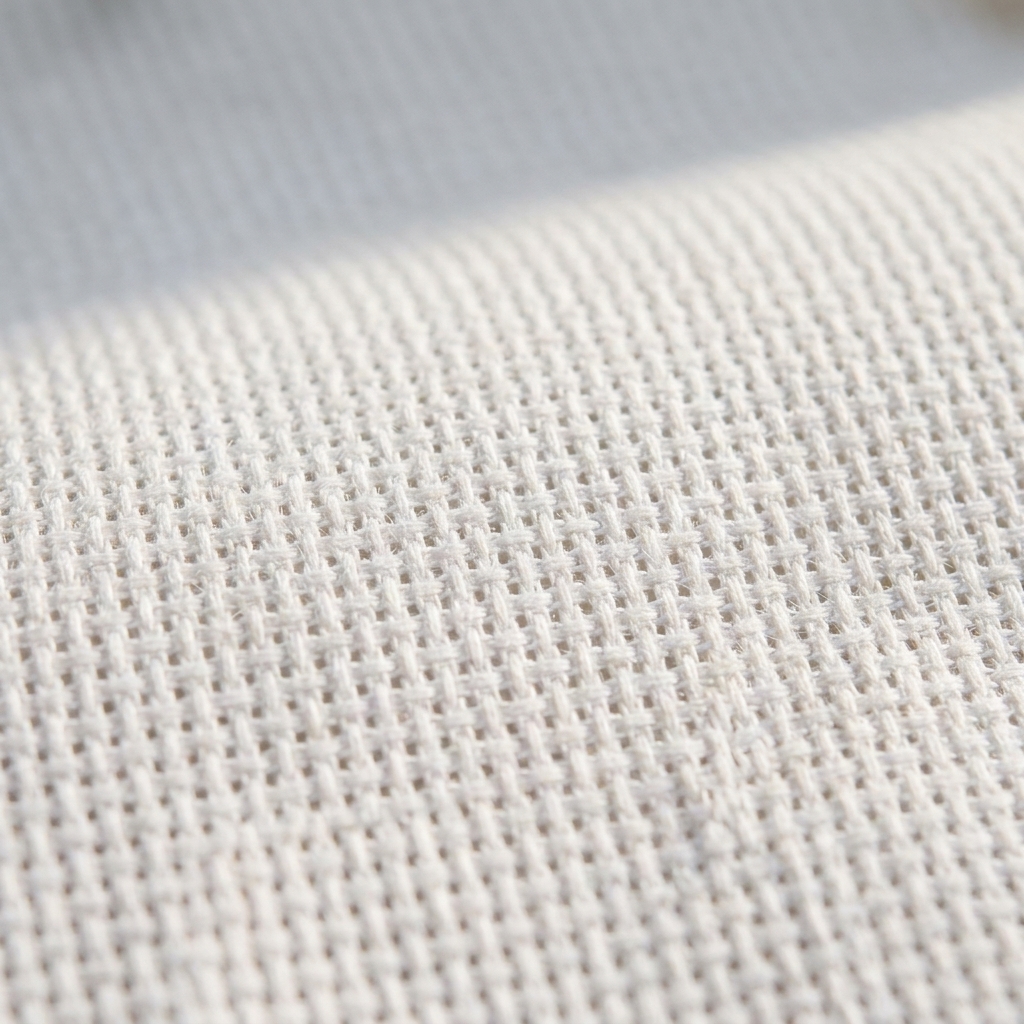
Evenweave is a category that includes fabrics like linen and cotton blends where the threads are evenly spaced in both directions. It does not have the obvious “block” holes that Aida has, but it still forms a consistent grid once you get used to it.
Evenweave is popular for cross stitch, especially when you want a softer drape, more elegant texture, or higher detail without going to teeny-tiny Aida counts.
Two common ways to stitch evenweave
- Over two threads: You treat two fabric threads as one “square.” This is the most common for cross stitch on linen/evenweave because it creates a nice stitch size and helps coverage.
- Over one thread: You stitch on every single thread intersection. It can look incredibly detailed, but it is more demanding on your eyes and patience.
Why evenweave feels different than Aida
On Aida, the hole tells you where to go. On evenweave, you learn to see and count the weave itself. The good news is that once your eyes click with it, it becomes deeply satisfying.
Beginner tip
If you want to try evenweave without diving into “fancy linen feelings,” look for a cotton evenweave blend. It tends to be softer than Aida but less slubby than some linens.
Plain cotton: the everyday choice for embroidery
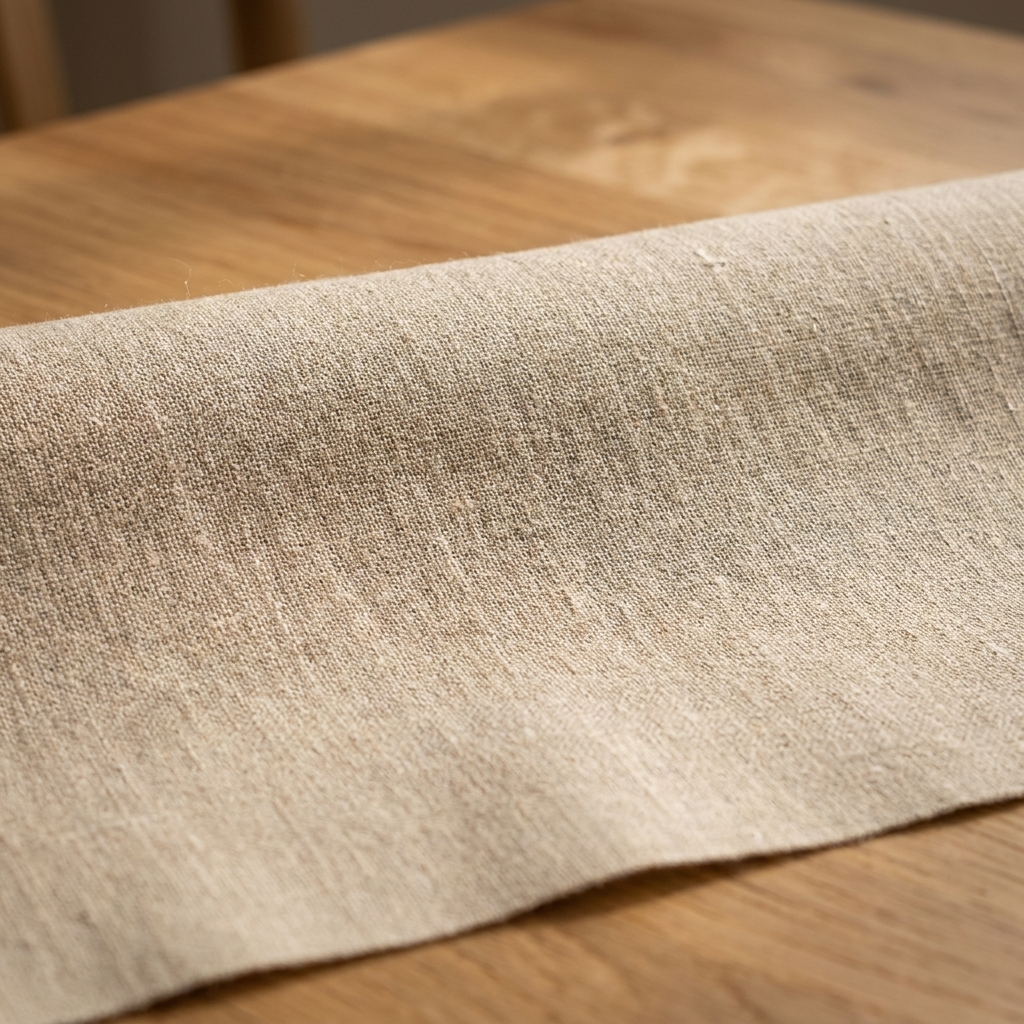
Plain cotton is the go-to for most surface embroidery. Think quilting cotton, cotton lawn, poplin, or a medium-weight woven from your local fabric shop. It is smooth enough for transferring patterns and sturdy enough for most stitches.
Why plain cotton works so well for embroidery
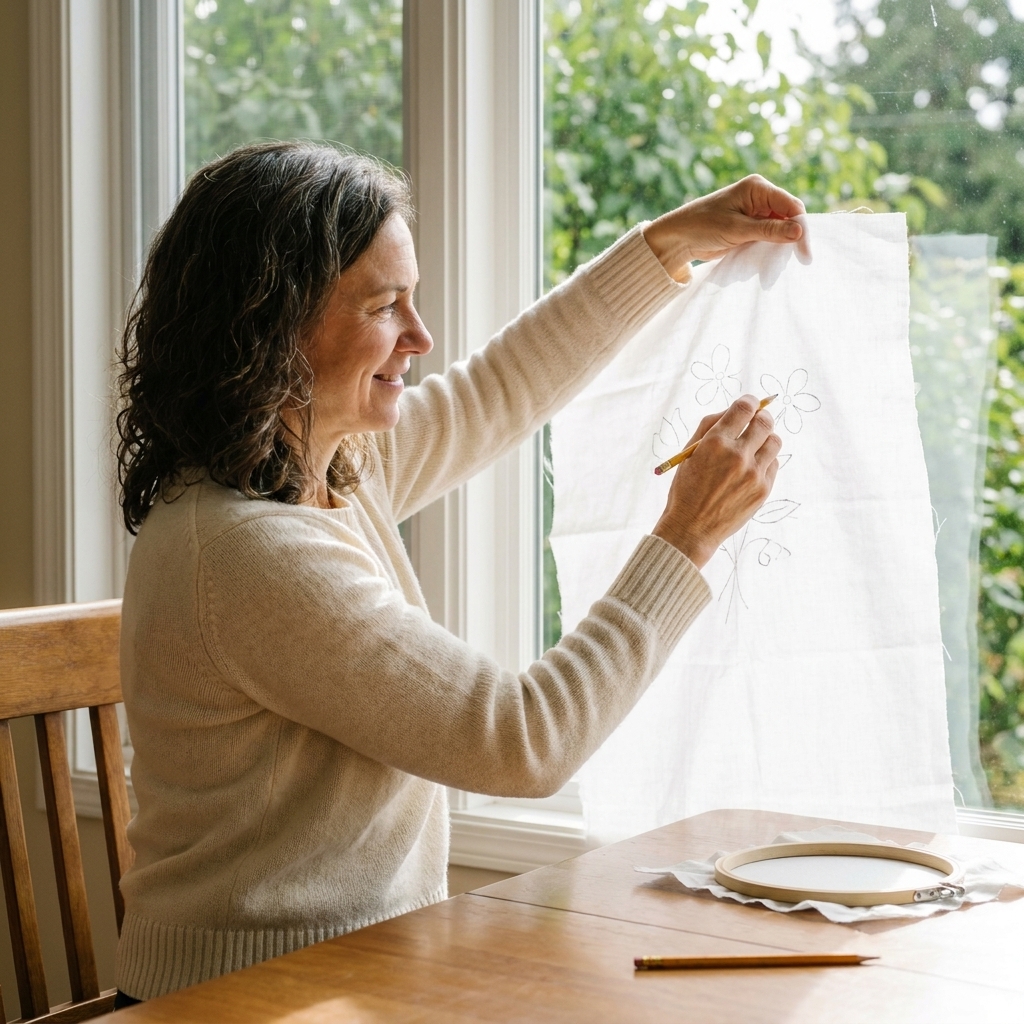
- Great for transfers (water-soluble pen, pencil, lightbox, tracing methods).
- Comfortable to stitch with less resistance than stiff fabrics.
- Easy to find in endless colors and prints.
What to look for
- Tight weave: Hold it up to the light. If you can see big gaps, it may be too loose for detailed stitching.
- Not too stretchy: Avoid knits for beginner embroidery unless the project specifically calls for it.
- Weight that matches your plan: Light cotton for delicate hoops, medium cotton for everyday projects, heavier cotton or canvas for bags and patches.
Can you cross stitch on plain cotton? You can, but it is a different experience. Without an even grid, counted designs become guessy unless you add a washable grid or use waste canvas. If you are craving cross stitch, start with Aida or evenweave and save plain cotton for embroidery motifs and lettering.
Fabric count explained (without the headache)
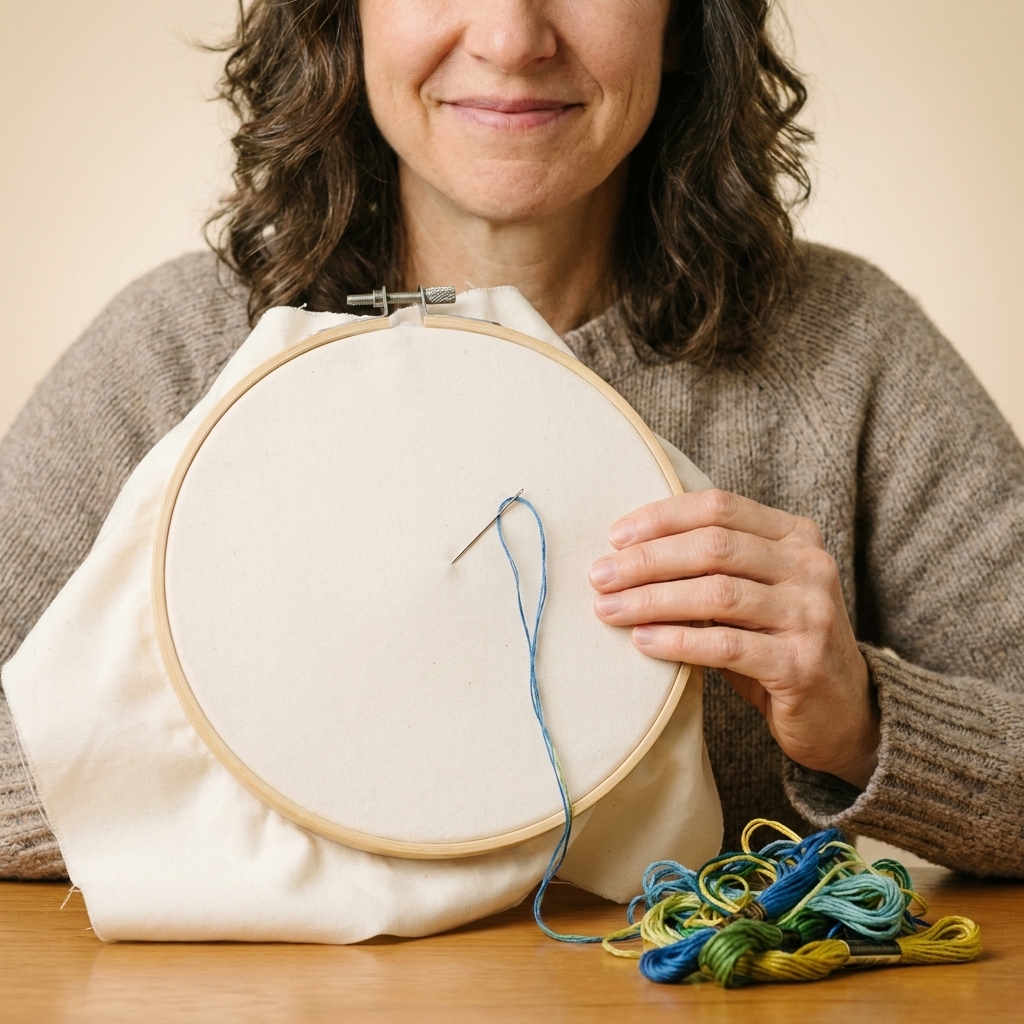
Fabric count tells you how many “squares” or threads you have per inch. It is how patterns translate into finished size.
On Aida
Count = number of squares per inch. Common counts are 11, 14, 16, and 18.
- Lower count (11, 14): bigger stitches, easier to see, finishes larger.
- Higher count (16, 18): smaller stitches, more detail, finishes smaller.
On evenweave and linen
Count usually refers to threads per inch. Common counts are 25, 28, 32, and 36.
Most cross stitch on evenweave is stitched over two threads, which effectively makes the “stitch count” half of the fabric count.
- 28-count evenweave over two finishes like 14-count Aida.
- 32-count evenweave over two finishes like 16-count Aida.
- 36-count linen over two finishes like 18-count Aida.
Quick size math (the only formula you need)
Finished design width in inches = stitch width ÷ fabric count
Example: a pattern that is 70 stitches wide on 14-count Aida will be 70 ÷ 14 = 5 inches wide (before adding margins).
Choosing the right count for your comfort level
If you are new, your fabric choice should support your eyes, your hands, and your patience.
- For your first cross stitch project: 14-count Aida is the sweet spot. It is widely available, easy to see, and most patterns are designed with it in mind.
- If you want slightly finer detail: 16-count Aida or 32-count evenweave over two.
- If you struggle with small stitches: 11-count Aida can feel wonderfully forgiving.
- If you love tiny detail and do not mind slower stitching: 18-count Aida or 36-count linen over two.
There is no moral victory in stitching on fabric that makes you squint and sigh. Choose what feels fun.
Weave, coverage, and floss: how they affect your results
Two projects stitched with the same pattern can look totally different depending on fabric and thread choices. Here are the three big factors beginners run into.
1) Coverage (how full the stitches look)
On higher counts, stitches can look thinner because they are smaller. On lower counts, they look plumper. Coverage is also affected by how many strands you use.
- 14-count Aida: often 2 strands for full cross stitches.
- 16-count Aida: often 2 strands, sometimes 1 for a lighter look.
- 18-count Aida: often 2 strands for coverage, but it can feel tight. Some stitchers prefer 1 strand for less bulk.
Your pattern may recommend strand count, but do not be afraid to test a small corner first. I keep a tiny “test patch” at the edge of my fabric for this exact purpose.
2) Fabric texture
Linen can have natural thick and thin spots in the threads, called slubs. They are normal and part of the charm, but they can surprise you if you expect perfect uniformity.
3) Needle size and ease of stitching
As fabric count goes up, you generally want a smaller tapestry needle for cross stitch. If it feels like you are wrestling the fabric, sizing down can make everything smoother.
How much fabric to buy (and why margins matter)
The design size is only part of the story. You also need extra fabric around the design for framing, finishing, and holding the fabric comfortably while you stitch.
A solid beginner rule is to add at least 2 to 3 inches of margin on each side. So you add 4 to 6 inches to both the width and height of your stitched design.
- Framing in a hoop: 2 inches per side can work if you are careful.
- Framing under glass or finishing as a pillow: 3 inches per side is less stressful.
- Large projects: go bigger on margins. You will thank yourself later.
Prepping fabric: the small steps that save big frustration
Finish the edges
Before you do a single stitch, stop fraying in its tracks:
- Zigzag stitch on a sewing machine
- Serger if you have one
- Painter’s tape or masking tape (quick and surprisingly effective)
- Hand overcast stitch if you are feeling virtuous
Wash and iron when needed
If you are using fabric that wrinkles easily or might shrink (some cottons and linens), a gentle pre-wash and a good press can prevent unpleasant surprises after you finish stitching.
Consider gridding for counted work
If counting makes your brain feel fizzy, lightly gridding can help. Use a water-soluble pen made for fabric or a pre-gridded fabric. Always test your marking method on a scrap first.
Quick picks: which fabric should you choose?
| Project type | Best beginner fabric | Why |
|---|---|---|
| First counted cross stitch | 14-count Aida | Easy holes, easy counting, widely available |
| Cross stitch with a softer look | 28-count evenweave over two | Finishes like 14-count but with smoother drape |
| Detailed counted patterns | 16 or 18-count Aida, or 32-count evenweave over two | Smaller stitches show more detail |
| Hand embroidery florals and lettering | Medium-weight plain cotton | Smooth surface for transferring and stitching |
| Bags, patches, sturdy items | Heavier cotton or cotton canvas | Durable and holds up to use |
Beginner FAQs
Is Aida only for cross stitch?
Mostly, yes. You can do simple embroidery on Aida, but the visible grid will influence the look. For smooth embroidery lines and satin stitch, plain cotton is usually more satisfying.
What does “28-count over two” mean in real life?
It means the fabric has 28 threads per inch, and you treat two threads as one stitch space. Your cross stitches land on every other thread intersection, so it finishes like 14-count Aida.
Why does my fabric feel too loose in the hoop?
Some fabrics, especially softer evenweaves and plain cotton, relax as you stitch. Try tightening the hoop again after a few minutes, wrapping the inner hoop with cotton twill tape for grip, or using a slightly sturdier fabric.
Do I need to use a hoop for cross stitch?
No, but it helps with tension and hand comfort, especially on softer fabrics. Some stitchers prefer stitching in hand on Aida. If your hands cramp, a hoop or Q-snap is worth trying.
Can I use printed cotton for embroidery?
Absolutely. Just choose a print that does not fight your design. Tiny busy prints can make it hard to see your stitches, but subtle prints can be charming, especially for simple motifs.
A gentle nudge before you shop
If you are staring at fabric counts and second-guessing yourself, here is my pragmatic advice: pick the option that makes the stitching feel easiest. You can always experiment later. My “overflowing floss stash” exists because I kept trying new things, one calm little project at a time.
For most beginners, that means 14-count Aida for cross stitch and a tight, medium-weight plain cotton for embroidery. Once you are comfortable, evenweave becomes a really fun next step.