Needle Via
Stitch Library
Step-by-step tutorials and visual guides for learning various hand embroidery stitches and cross stitch techniques.
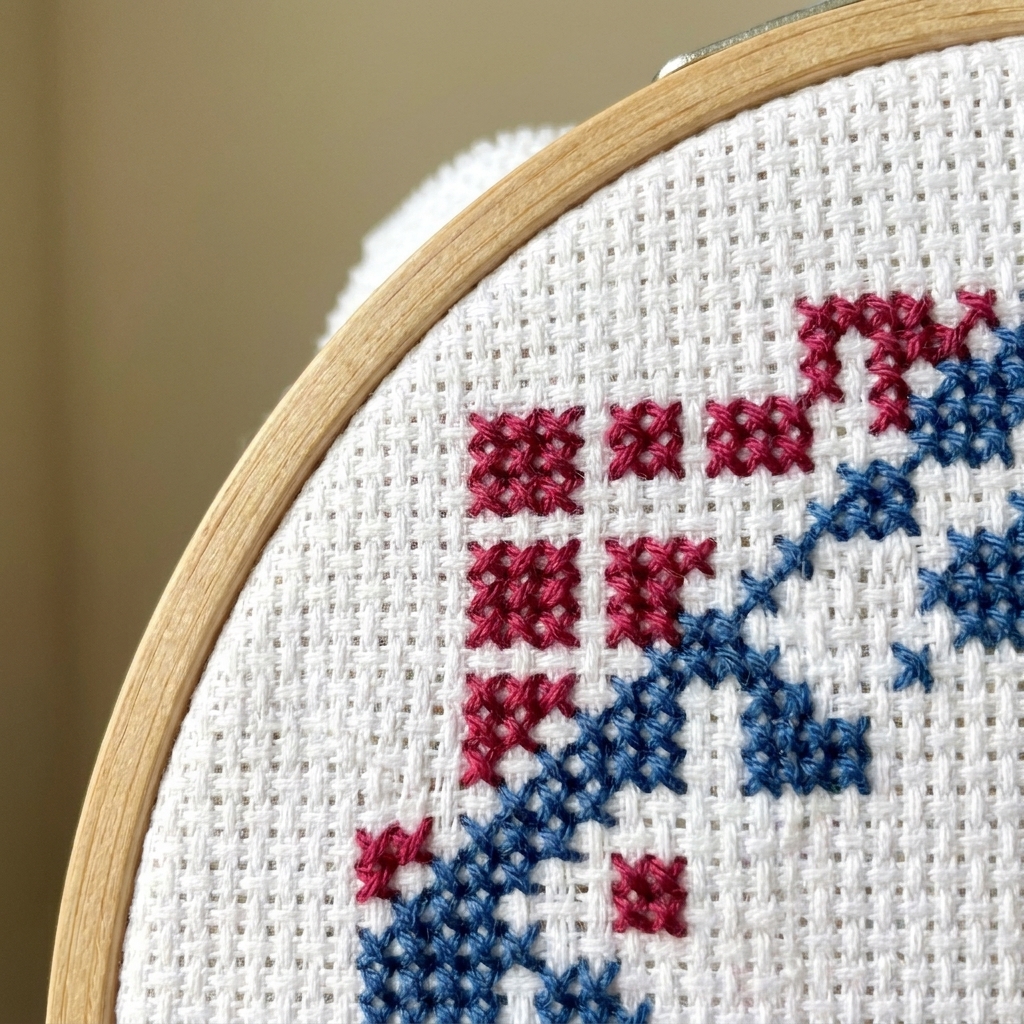
Fractional Cross Stitches
If you have ever looked at a cross stitch pattern and thought, “Why is that little square only half filled in?” you have met fractional stitches. They look fussy at first, but they are one of the simplest ways designers create smoother curves, sharper corners, and tiny details like letters, faces,...
Read more →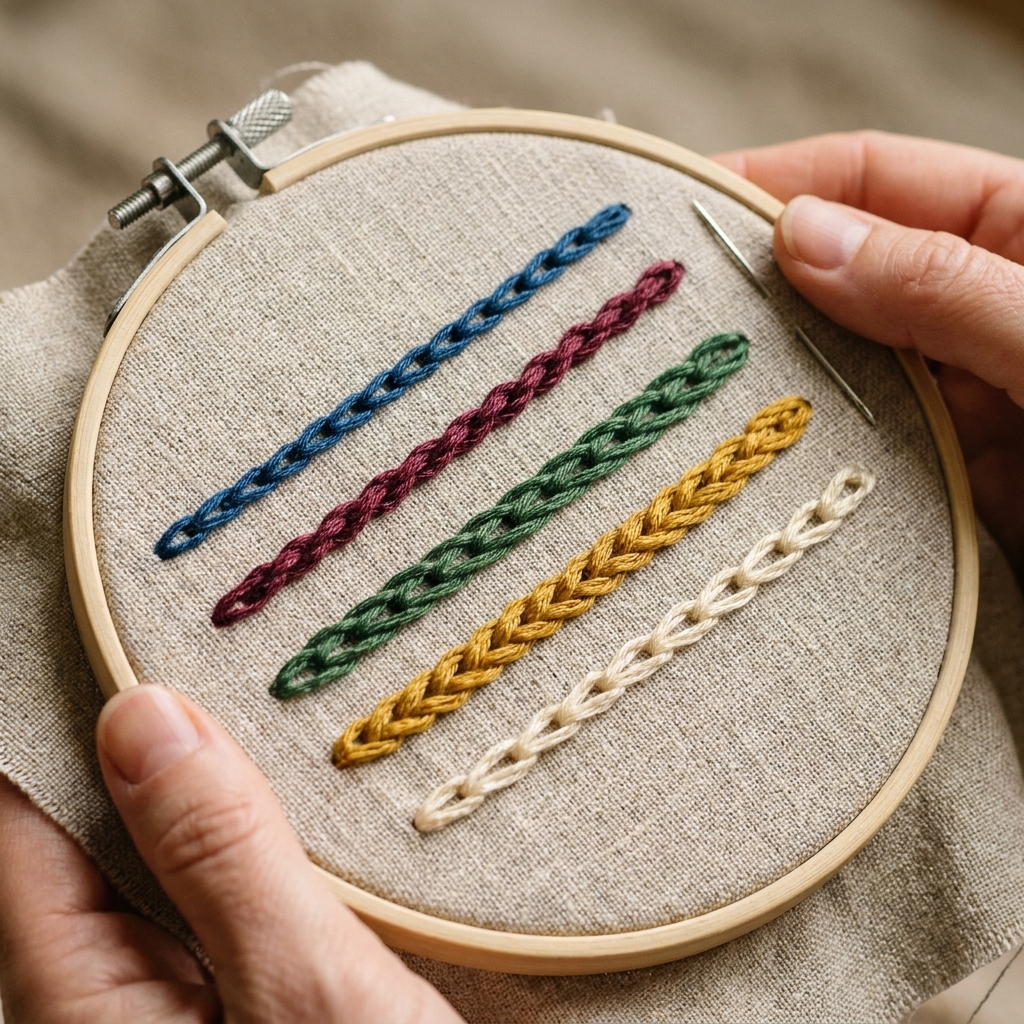
7 Chain Stitch Variations for Hand Embroidery
Chain stitch is one of those “how did I ever stitch without this?” techniques. It can be delicate, chunky, tidy, wild, and wonderfully forgiving when your tension is not perfect yet. If you can make a basic chain stitch, you can make every variation in this list. And if your chains come out a...
Read more →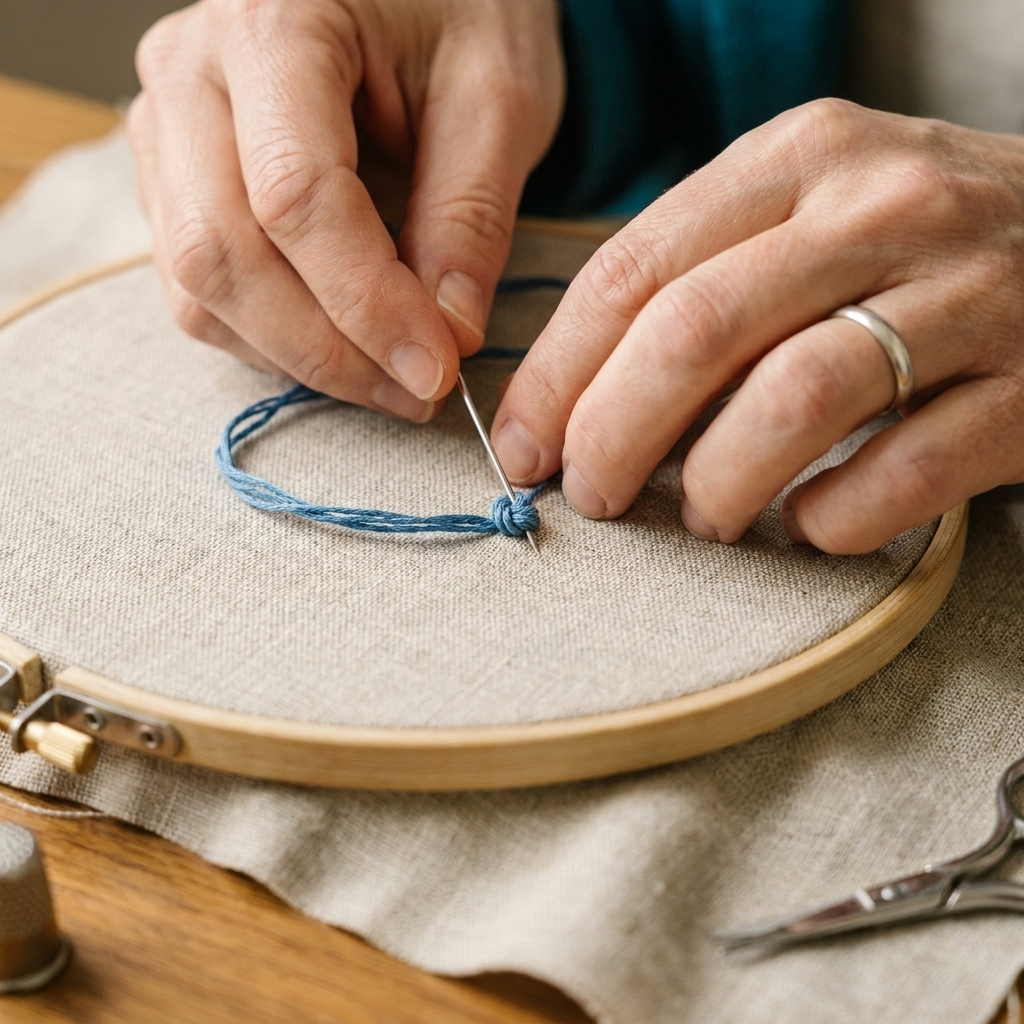
Flawless Bullion Knots Without Tangled Thread
Bullion knots are one of those stitches that look like embroidery magic: tidy little coils that add instant texture to roses, wheat stalks, antennae, and fancy monograms. And then you try one, your thread snarls into a tiny bird nest, and suddenly you are questioning every life choice that led you...
Read more →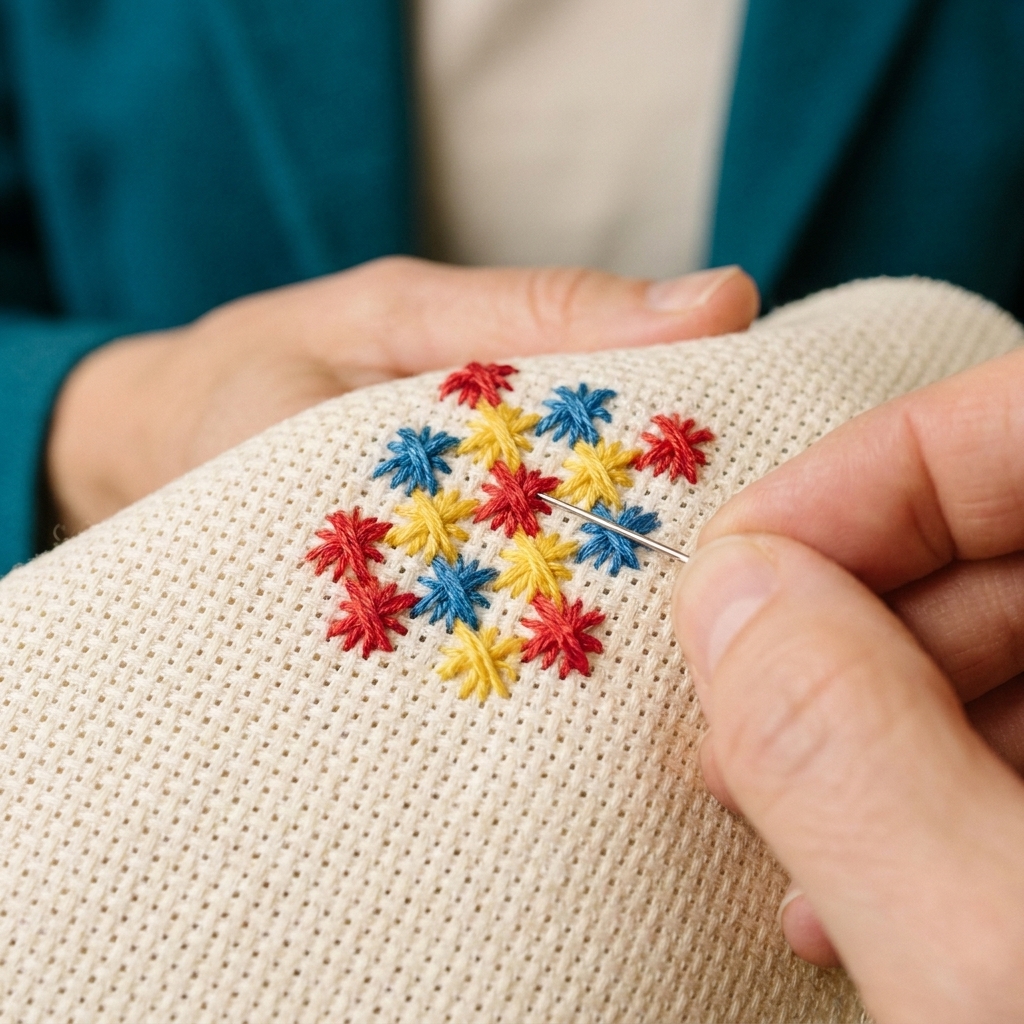
5 Specialty Stitches for Textured Cross Stitch
If you love cross stitch but sometimes wish your finished piece had a little more pop, texture is the secret sauce. I adore a neat field of Xs, but sprinkling in a few specialty stitches can make a chart feel luxe and intentional, like you planned that wow moment from the start. These stitches are...
Read more →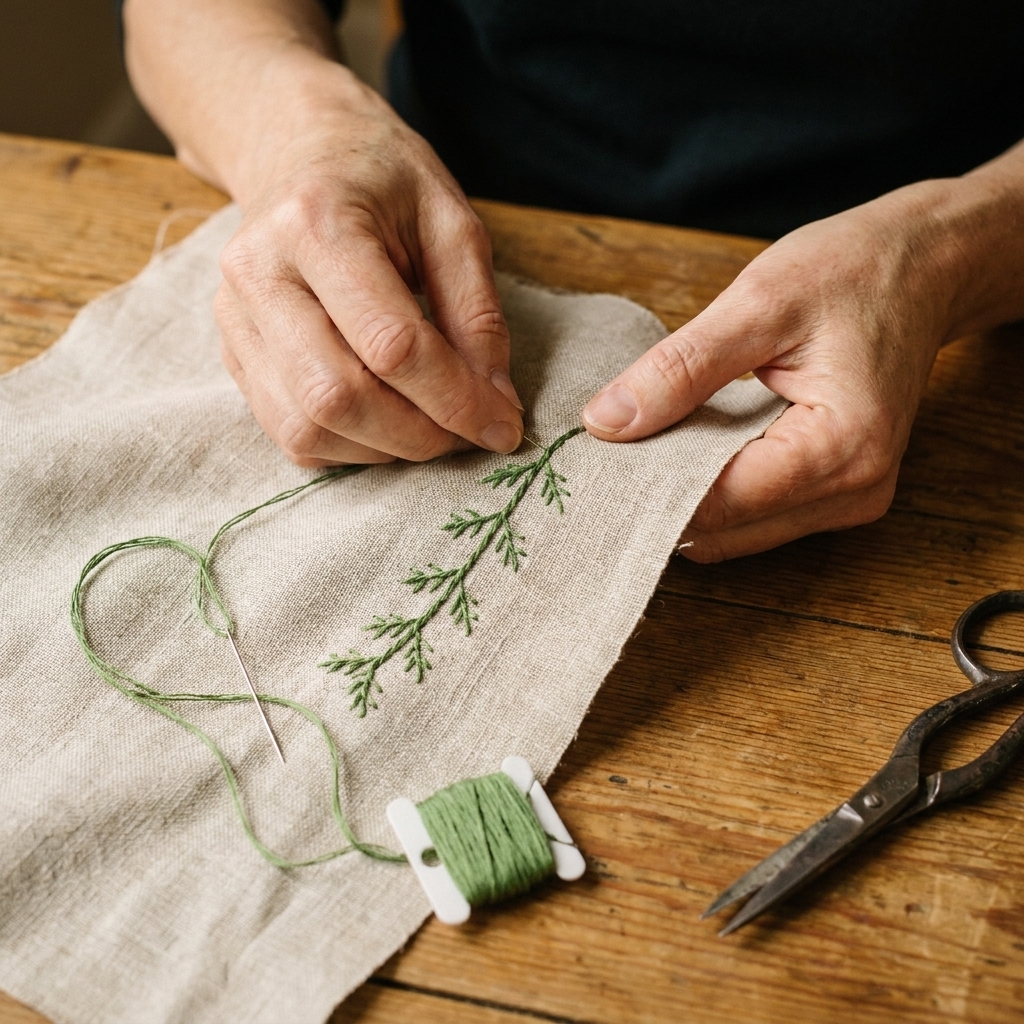
Feather Stitch and Fly Stitch
When I want embroidery to feel like it is gently growing across the fabric, I reach for two quiet little workhorses: feather stitch and fly stitch . Feather stitch gives you that flowing, vine-like backbone with perfect little “branches,” and fly stitch makes the sweetest leaf shapes and airy...
Read more →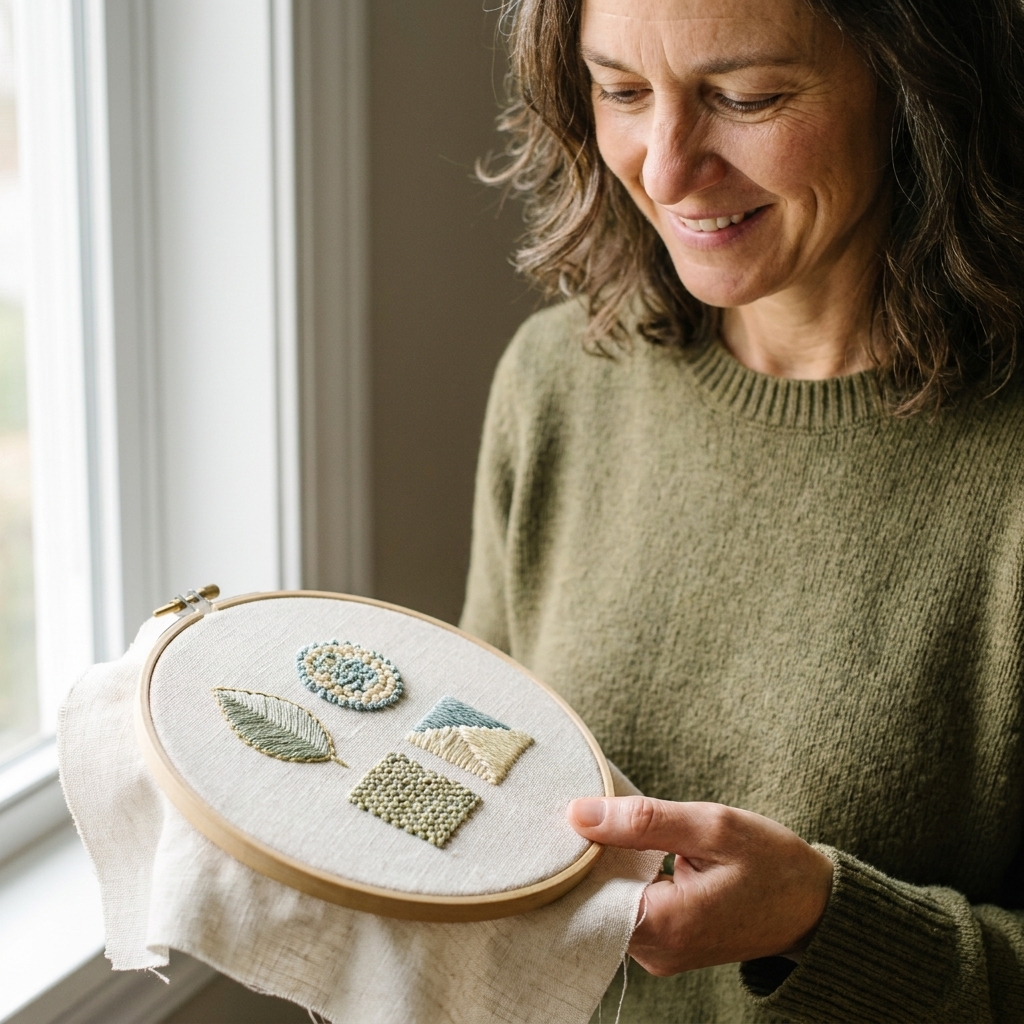
Satin Stitch Alternatives for Large Fills
Satin stitch is gorgeous when it behaves, but large satin areas can be a little… dramatic. They snag. They go wavy. They eat floss like it’s a competitive sport. If you’ve ever finished a big petal only to realize it looks slightly lumpy in certain light, welcome to the club. I’ve been there with...
Read more →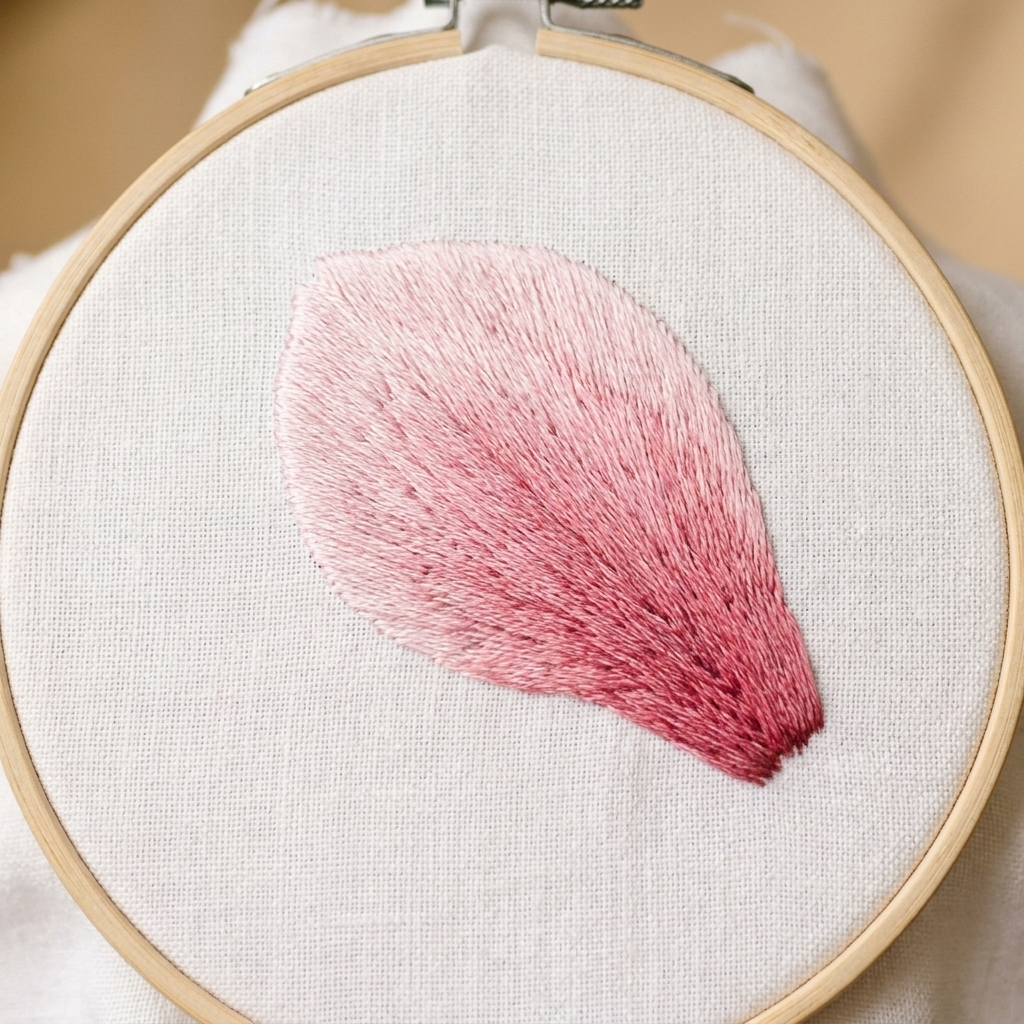
Long and Short Stitch Thread Painting
Long and short stitch is the secret handshake of thread painting. It looks fancy, but it is really just a rhythm: staggered stitches that interlock like tiny shingles, letting you blend colors so smoothly your eye stops seeing individual strands. If you have ever tried shading and ended up with...
Read more →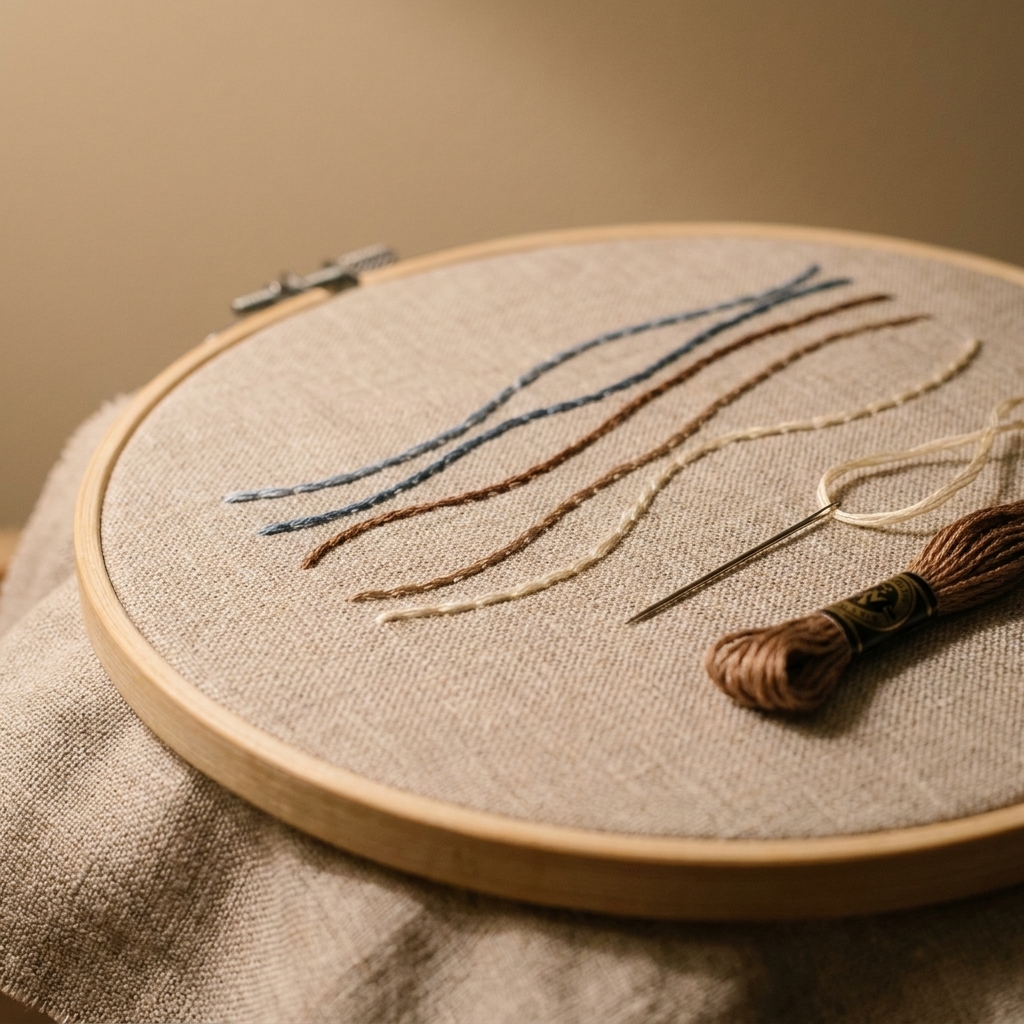
Stem Stitch vs Outline Stitch vs Split Stitch for Curves
If you have ever stitched a sweet little quote, only to watch your lines wobble around the curves like they are trying to escape the pattern, welcome. Line stitches look similar at a glance, but they behave very differently once you start turning corners or shaping letters. In this Stitch Library...
Read more →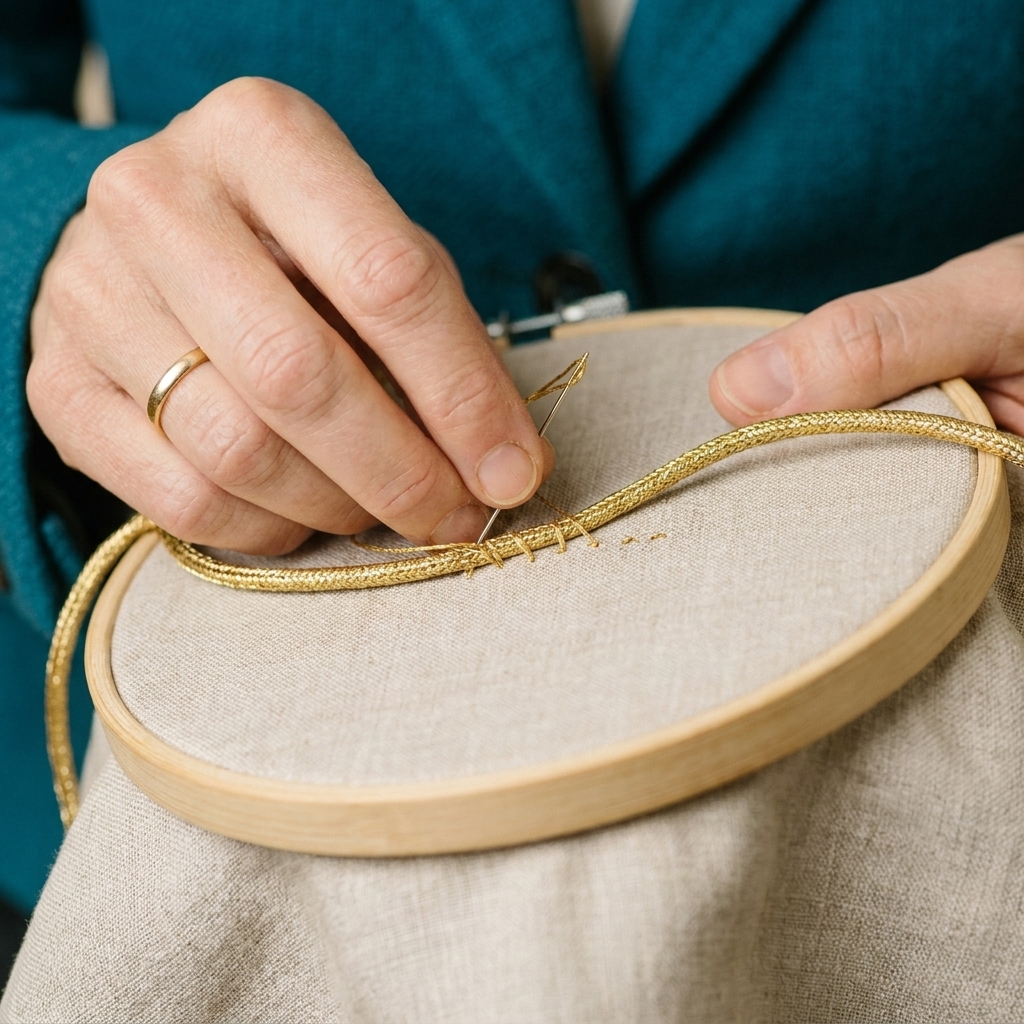
Couching Stitch Guide
Couching is my favorite “cheat code” stitch for when a thread is too thick, too fuzzy, too springy, or too metallic to behave like normal floss. Instead of forcing that specialty thread through the fabric repeatedly (hello, fraying and heartbreak), you lay it on the surface and tack it down with...
Read more →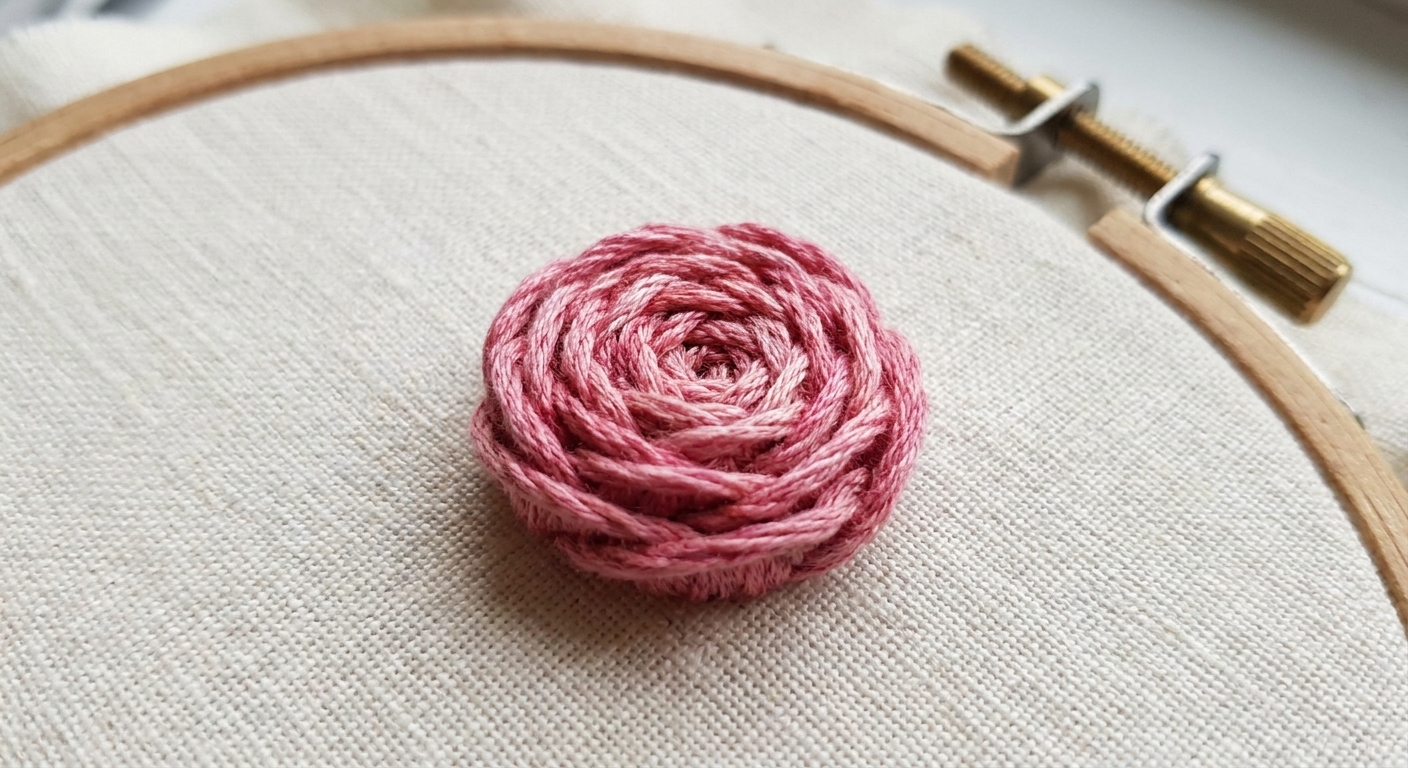
Woven Wheel Rose Stitch
The woven wheel rose is one of those stitches that feels like magic the first time you pull the thread through and suddenly you have a little 3D bloom sitting on your fabric. If you are brand new to embroidery, this is a perfect “wow” stitch because it is built from two simple parts: a spoke base,...
Read more →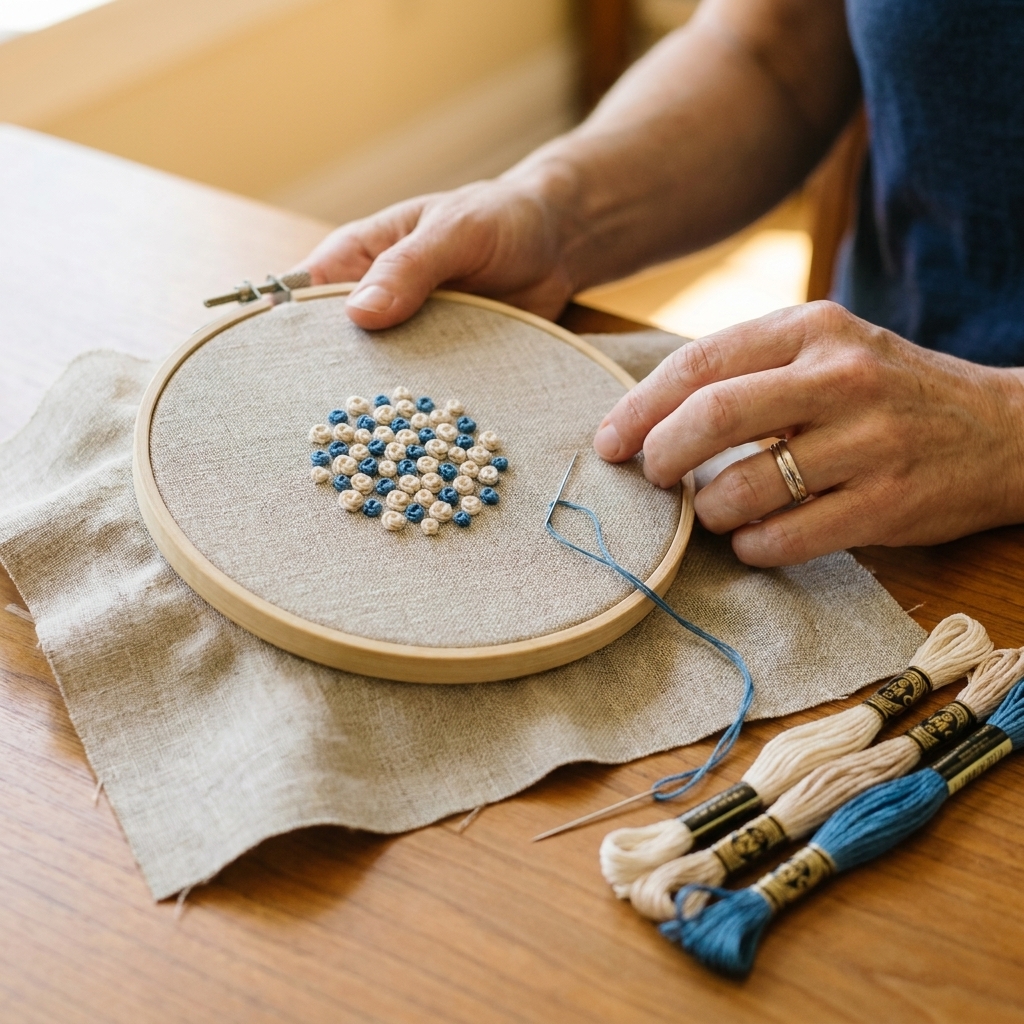
French Knot vs. Colonial Knot
If you have ever stared at a bumpy little dot in an embroidery pattern and felt your shoulders tense up, hi, you are with friends. Raised knot stitches look so simple on paper, and then suddenly you are wrestling with floss that wants to either vanish into the fabric or explode into a lumpy mess....
Read more →