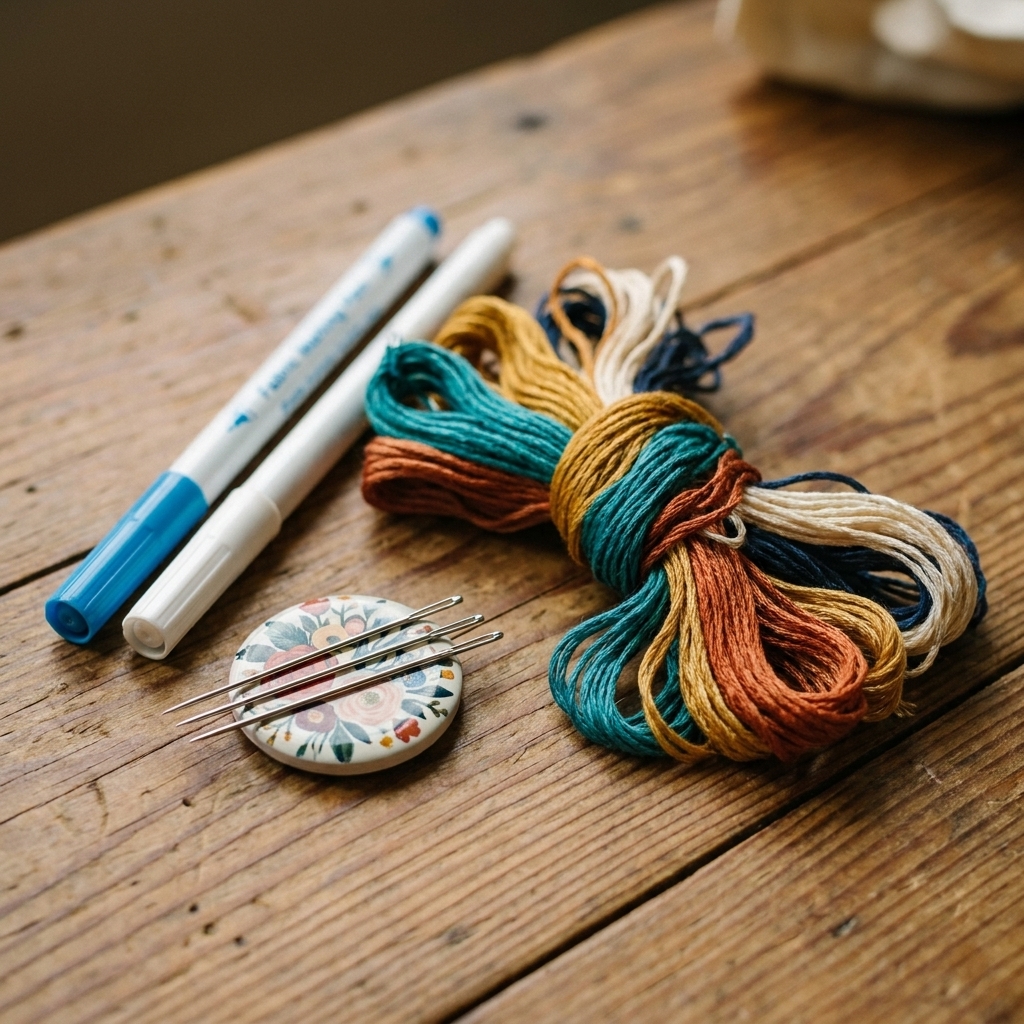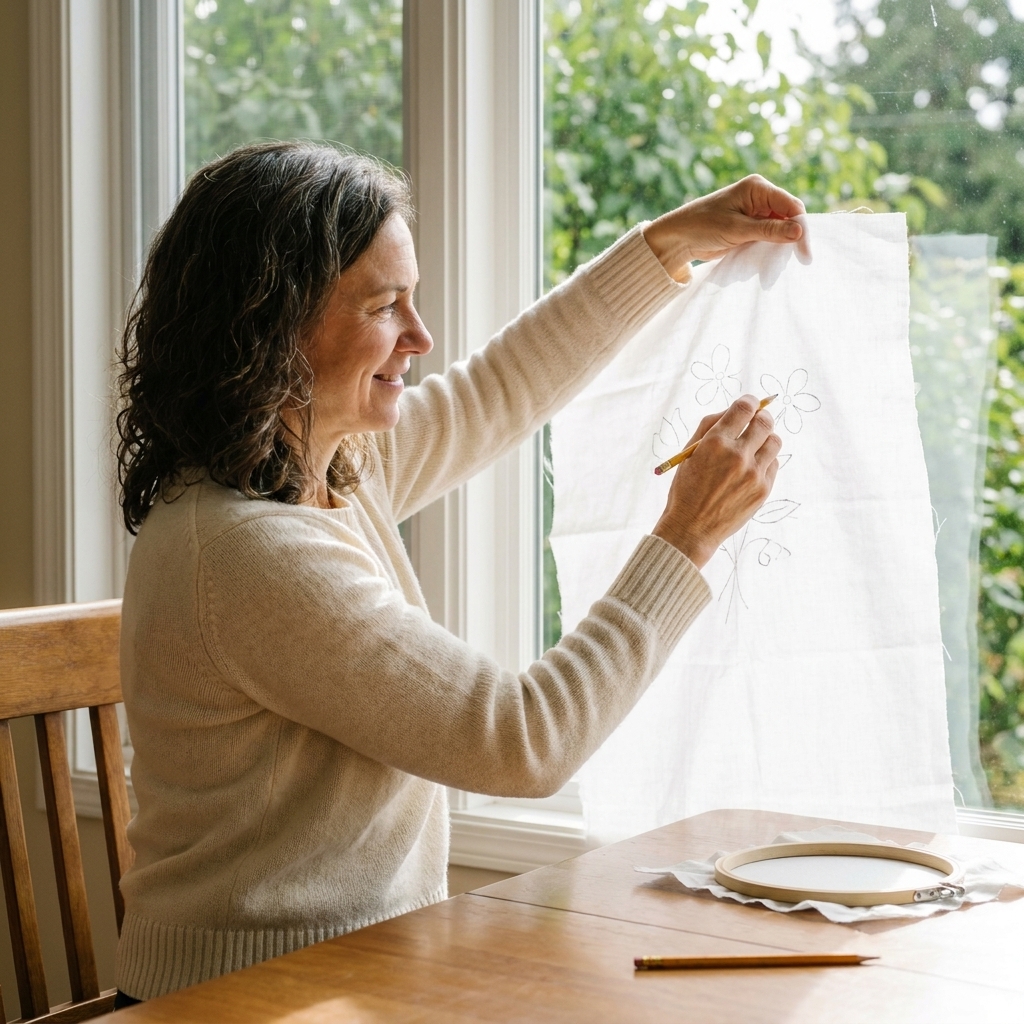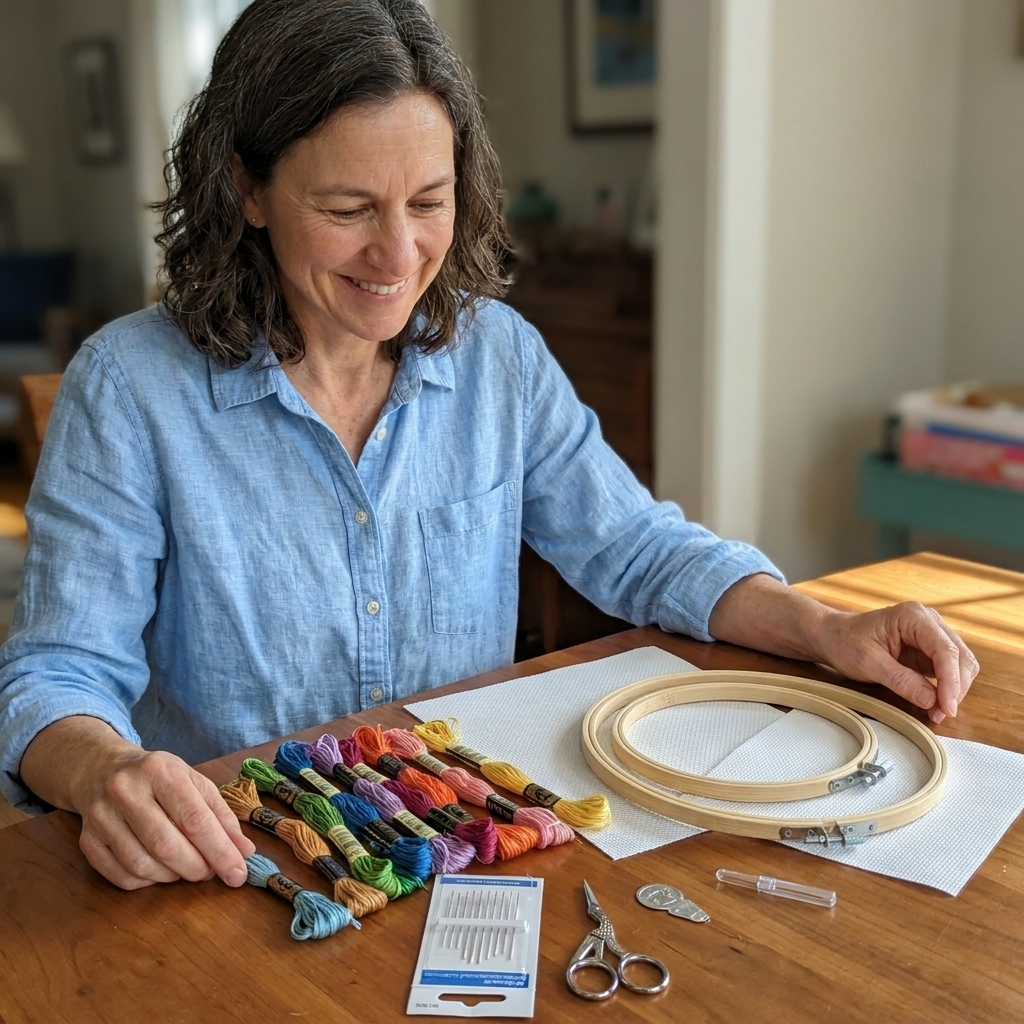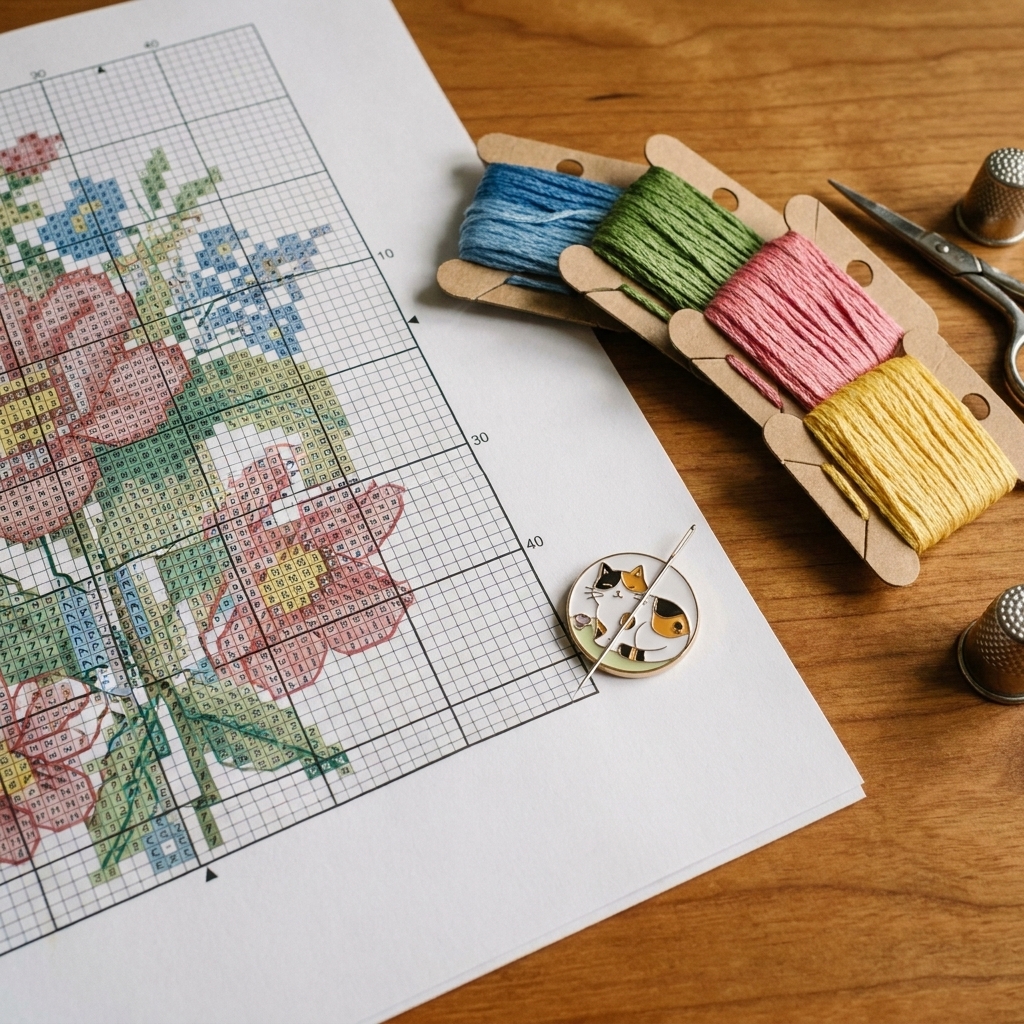
Temporary marking tools are one of those “small” supplies that can make a project feel either soothing and tidy or slightly haunted by ghost lines forever. I have tried plenty over the years, usually after promising myself this time I will be careful and test on a scrap first. So for this Needle Via deep dive, I actually did the testing: water-soluble vs. heat-erasable pens on a handful of fabrics we use all the time in embroidery and cross stitch.
Below you will find what I noticed about how they write, where they shine, where they misbehave, and the best way to get your markings to disappear without harming your stitches.
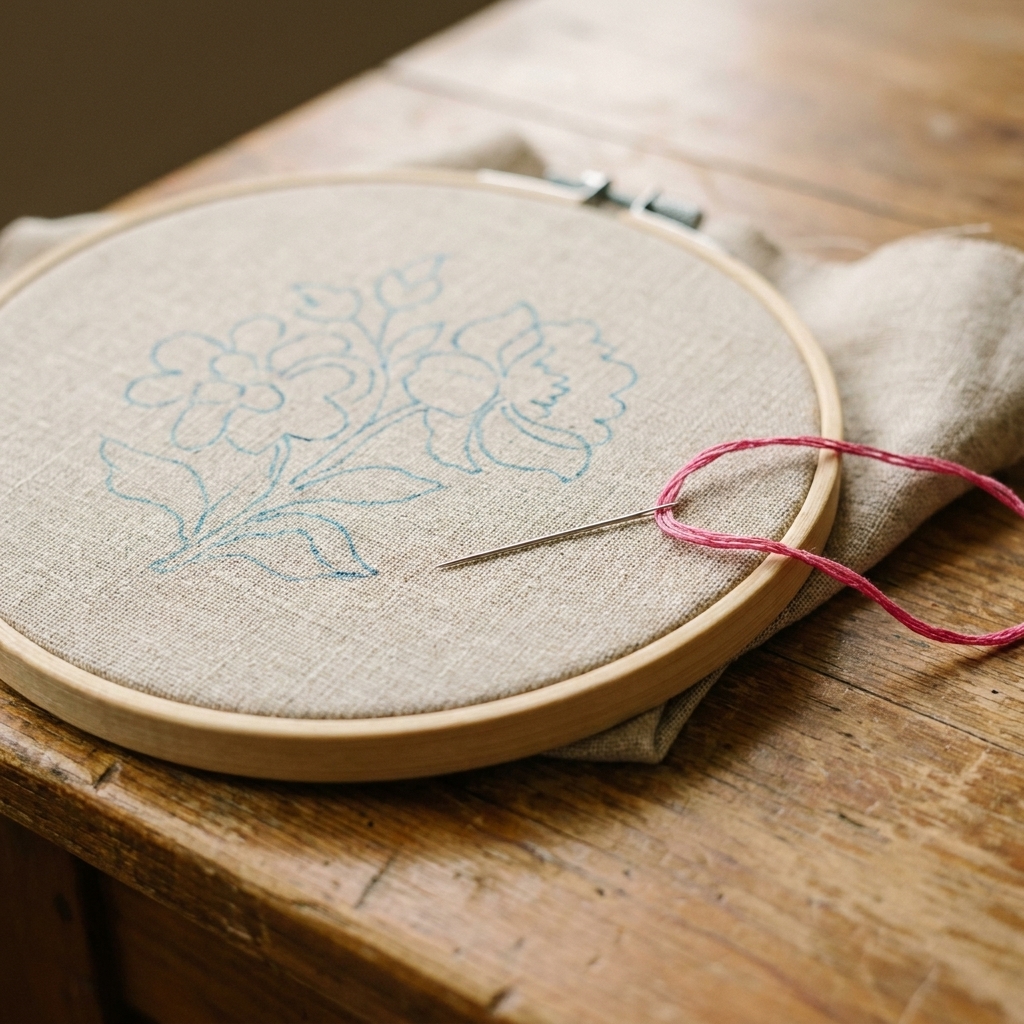
Quick take: which should you choose?
If you want the shortest answer, here is my practical rule of thumb:
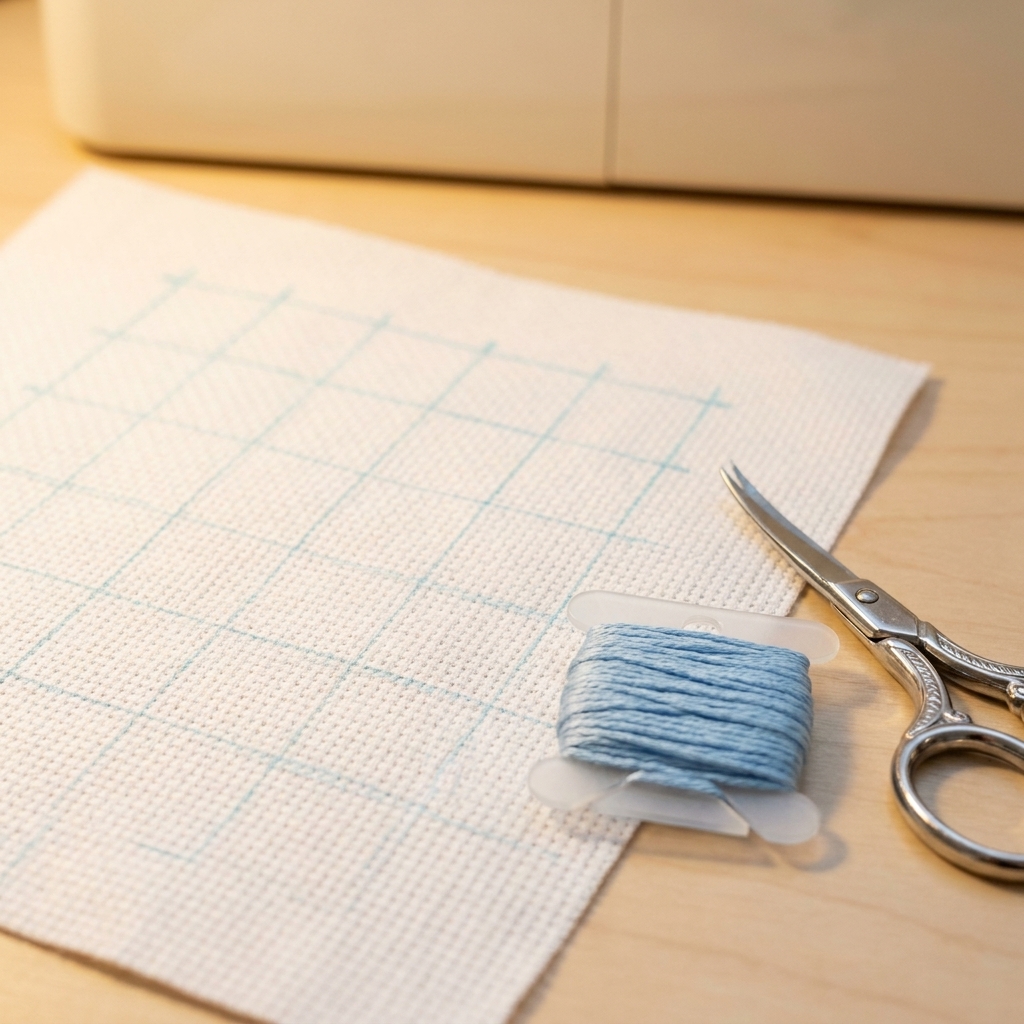
- For cross stitch on Aida or evenweave: water-soluble pens usually win because grid lines can be removed thoroughly with a good rinse, and you are not relying on heat to “vanish” a line that might come back later.
- For surface embroidery on tightly woven cottons: heat-erasable pens can be wonderfully precise for tracing, especially if you need crisp curves and you plan to remove markings right after stitching.
- For dark fabrics: neither category is perfect unless you use a tool made for dark fabric. Many stitchers have better luck with a chalk pencil, a sliver of soap, a white marking pencil, or a removable pen specifically formulated for dark fabrics.
- For heirloom projects, gifts, and anything you might store in a cold place: I lean water-soluble because many heat-erasable pens that use thermochromic ink can “ghost” back in low temperatures.
What I tested (and how)
Fabrics
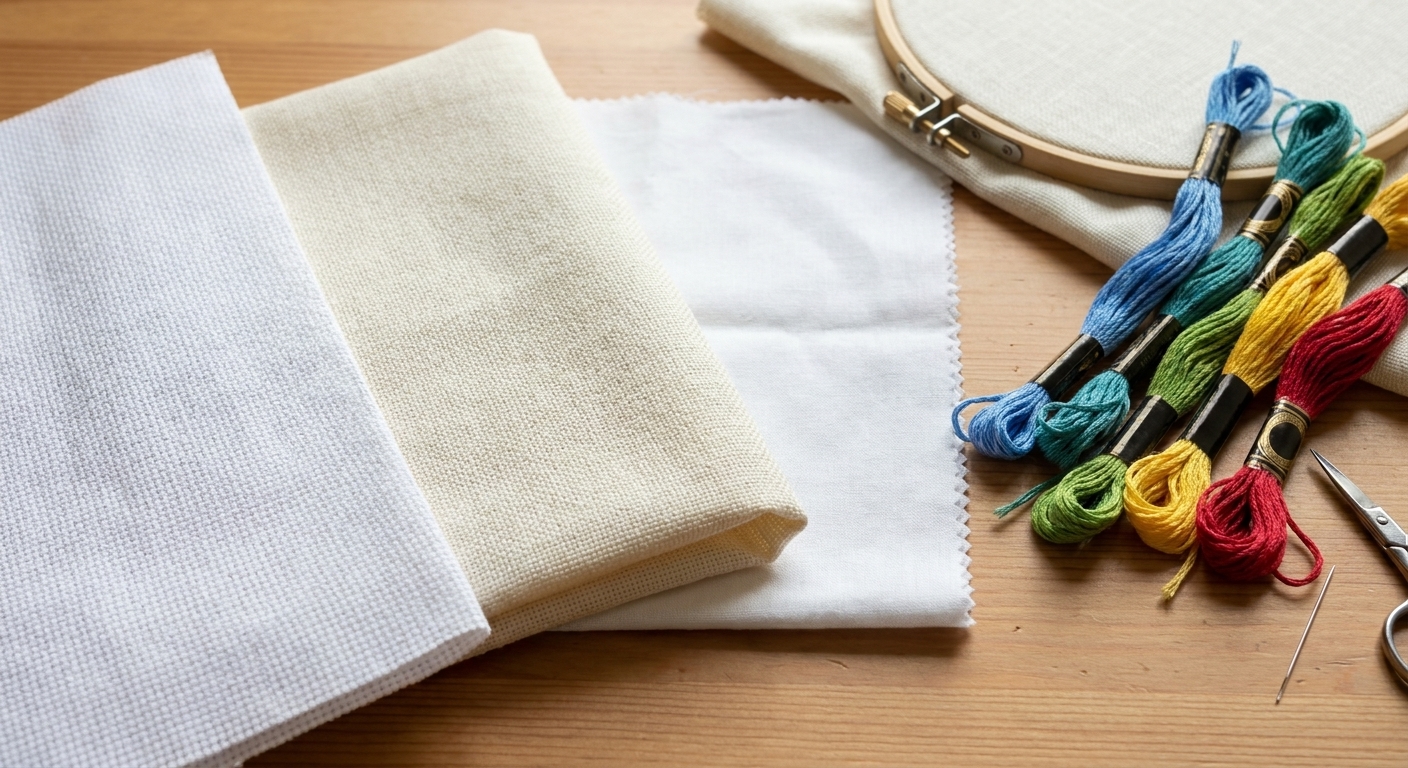
I tested on fabrics that show up constantly in beginner projects:
- 14-count white Aida (cross stitch classic)
- 28-count evenweave (common for finer grid work; fiber content varies)
- Quilting cotton (smooth, tight weave)
- Medium-weight linen (slubby texture, common for modern embroidery)
- Natural cotton muslin (absorbs ink fast, useful “worst case”)
Markers
Rather than reviewing one specific brand, I focused on the two big types most stitchers reach for:
- Water-soluble fabric pens (ink disappears with water)
- Heat-erasable fabric pens (ink disappears with heat, often from an iron or hair dryer)
If you have a specific brand in your sewing kit, you can still use this article. Most of the behavior I describe is characteristic of the ink chemistry, not the logo on the barrel.
My simple test method
- Drew a thin line, a thick line, and a few tight curves on each fabric.
- Waited 30 minutes, then rubbed lightly with a dry fingertip to check smudging.
- Waited 24 hours, then tested removal.
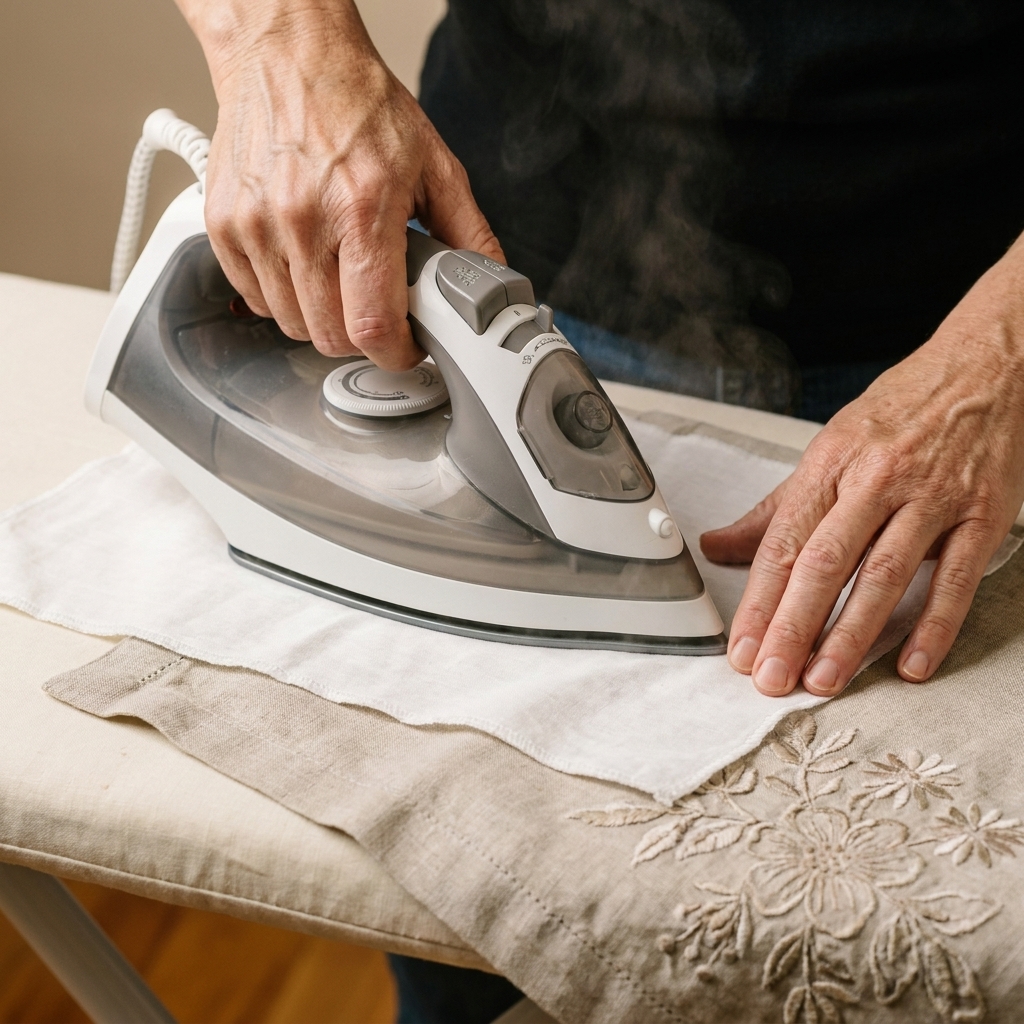
- Removal tests: for water-soluble, I did a cool-water spot rinse (dabbing with a clean cloth), then a full rinse; for heat-erasable, I used a warm iron (no steam) with a pressing cloth, then checked for “ghosting” after the fabric cooled.
One important note: I did not test “leaving marks for weeks and weeks” in this round because the results vary wildly by humidity, fabric sizing, and how much oil is on your hands. As a general reality check, though, the longer any ink sits, the higher the risk of staining or residue, especially on absorbent fabrics like muslin and some linens.
Also, if you plan to soak or wash at the end, do a quick colorfastness test on your threads first, especially if you are using hand-dyed floss or anything you have not washed before.
How they draw: line quality and control
Water-soluble pens
Best for: quick guidelines, cross stitch gridding, marking “just enough” to keep you on track.
On Aida and evenweave, water-soluble pens tend to sit on the surface a bit, which is actually helpful for removal. The line can look slightly fuzzy on looser weaves because the ink spreads along fibers. On quilting cotton, lines are usually clean and consistent, but on muslin and some linens, I saw more feathering.
My take: If you are the kind of stitcher who wants delicate, hairline tracing for fine floral outlines, water-soluble can feel a little soft around the edges. But for practical placement lines, it is friendly and forgiving.
Heat-erasable pens
Best for: crisp tracing, smooth curves, and detailed surface embroidery outlines.
Heat-erasable pens usually glide. The line tends to look sharper on cotton and linen, and it stays readable while you stitch. On Aida, it is workable, but I find the tip can catch on the texture and skip a little. For gridding Aida, heat-erasable can be less pleasant than water-soluble.
My take: The drawing experience is lovely, especially when you are transferring a pattern and you want to see a clear outline. The tradeoff is what happens later when you try to remove the line.
Smudging, fading, and day-to-day stitching behavior
Water-soluble pens in real life
- Smudging: moderate risk if your hands are damp or you are working in warm, humid conditions. I saw the most smudging on muslin and linen.
- Fading: some inks start to fade on their own over time, especially in bright light. That sounds nice until you still need the line.
- Accidental removal: even a slightly wet hand towel or a steamy cup of tea near your hoop can lighten lines.
If you are a “sip tea, stitch, wipe hands” person like me, water-soluble is a little more delicate. It is not a deal-breaker, it just means: do your marking closer to stitching time if you can.
Heat-erasable pens in real life
- Smudging: lower risk during stitching. Lines stay put.
- Fading: usually stable while you work, unless the project sits in a hot car or near a sunny window.
- Accidental removal: pressing your hoop with a warm iron mid-project, or using high heat to set creases, can make lines vanish before you are ready.
Heat-erasable lines are “steady roommates” during the stitching phase. They do not wander around much. The real question is whether they move out completely at the end.
Removal results: washing vs. ironing
Water-soluble removal
When I rinsed the marked areas thoroughly with cool water, water-soluble ink removed well on Aida and evenweave, and very well on quilting cotton. On linen and muslin, I had two common issues:
- Shadow staining: a faint tint remained if I used a very heavy line or if the ink sat for 24 hours on absorbent fabric.
- Ink migration: if I dabbed aggressively rather than rinsing, the ink spread slightly into surrounding fibers.
What helped: a full rinse, not spot-cleaning. I had the best results when I let water flow through the fabric and carried the ink away, rather than rubbing at it.
One caveat: “water-soluble” is a category, not a promise. Always follow the manufacturer’s instructions for your specific pen, since some prefer cool water, some tolerate warm, and some get stubborn if you add heat too early.
Heat-erasable removal
Heat-erasable ink disappeared quickly with a warm iron and a pressing cloth. On smooth cotton, it looked like magic.
But here is the thing I wish more of us were told on day one: many heat-erasable pens that use thermochromic ink are not always truly gone. The dye becomes invisible with heat, but it can reappear when the fabric gets cold. If you have ever put a finished piece in a chilly room and noticed faint lines return, you are not imagining it. (The flip side is that reheating often makes the marks disappear again.)
In my test, I saw the cleanest “disappearance” on quilting cotton. On linen and muslin, I sometimes saw a faint pale line when I changed the angle of the light. Not every pen does this equally, but the risk is real enough that I treat heat-erasable pens as best for projects where I am comfortable with that possibility.
As for hair dryers: they can work, but the heat is less even than an iron, so you may get patchy results and chase little sections around.
Fabric-by-fabric notes
Aida (cross stitch)
- Water-soluble: easy to grid, decent visibility, rinses out well. My favorite combo for gridding.
- Heat-erasable: workable, but the tip can skip on the bumpy texture. Removal is easy with heat, but I do not love relying on heat for a grid that might show again later.
Evenweave
- Water-soluble: good control, but test for feathering. Removal is usually strong with a rinse.
- Heat-erasable: very neat lines, pleasant for tracing. Keep the ghosting risk in mind for framed gifts.
Quilting cotton
- Water-soluble: generally excellent, especially for casual pattern placement.
- Heat-erasable: the crispest drawing experience and clean heat removal in my test.
Linen
- Water-soluble: feathering depends on the linen. Some linens drink ink. Always test.
- Heat-erasable: very nice line quality, but I noticed more light-angle shadows after ironing.
Muslin
- Water-soluble: most likely to stain if you press hard or leave marks too long.
- Heat-erasable: sharp lines, but also the most likely fabric to show a faint residual track under certain lighting.
Best practices
Before you mark
- Test on a scrap of the same fabric. Even fabrics that look identical can behave differently if one has sizing or a different dye lot.
- Mark lightly. Dark, heavy lines take more effort to remove and are more likely to leave a shadow.
- Avoid marking under satin stitch and long-and-short stitch if you can. Those dense stitches can “seal in” ink. Instead, mark just outside the stitching line, or use tiny dots and reference points.
If you are gridding for cross stitch
- Prefer thin lines. A fine tip water-soluble pen or a water-soluble pencil reduces the amount of pigment you are trying to flush out later.
- Consider a removal plan. If you will wash at the end, water-soluble makes sense. If you will not wash, consider thread gridding instead of ink.
When not to use heat-erasable
- Projects you cannot wash and cannot fully inspect after finishing.
- Heirlooms and gifts that may be stored in cold basements, garages, or spare rooms.
- Anything you will press or finish aggressively during the process, since heat can remove lines before you are done and make it hard to follow your placement marks.
Removal day: do this, not that
- For water-soluble: start with cool water unless your pen’s instructions say otherwise. Hot water can make some inks more stubborn, and it can shrink certain fabrics unpredictably.
- Do not scrub. Let water do the work. If you need help, swish gently.
- For heat-erasable: use a pressing cloth, no steam, and keep the iron moving. Then let the fabric cool and inspect in good light.
So which is best?
Here is how I would stock a small, practical marking kit if you are building supplies from scratch:
- One water-soluble fine-tip pen for cross stitch gridding and simple placement lines.
- One heat-erasable pen for crisp tracing on cottons when you plan to remove marks immediately after stitching.
- A non-ink backup for sensitive projects: thread basting, a sliver of tailor’s chalk, or a water-soluble pencil, depending on fabric color and weave.
If you can only pick one category: water-soluble is often the safer all-around choice for finished pieces you intend to wash and for cross stitch in particular. Still, both types can leave residue on certain fabrics, especially if you press hard, mark heavily, or let lines sit for a long time. When in doubt, test and keep your marks light.
FAQ
Can heat-erasable pen marks come back?
Yes, many can, especially thermochromic inks. They can reappear in cold temperatures, and reheating usually makes them fade again. If you are gifting or selling a finished piece, or storing it in a chilly basement, that risk matters. If you still want to use heat-erasable, keep markings very light and remove them as soon as you finish stitching.
Can I use water-soluble pens on linen?
You can, but test first. Some linen is absorbent and can hold onto dye, leaving a faint shadow. Use the lightest line you can see, and plan a full rinse rather than spot-cleaning.
Should I remove pen marks before I wash my finished embroidery?
If you are using water-soluble ink, washing is usually the removal step. If you are using heat-erasable ink, remove with heat first, then wash if your threads and fabric are colorfast. Always test floss for bleeding if you are using non-DMC or hand-dyed threads.
What if my water-soluble pen will not come out?
Try a longer cool-water soak and gentle agitation, then rinse thoroughly. Avoid heat until the ink is gone. Heat can make some stains more stubborn. If the piece is precious, stop experimenting and test any stronger method on a scrap or an inconspicuous edge first.
Is “air-erasable” the same as water-soluble?
Not always. Some blue marking pens are designed to fade on their own over time, which is handy until your line disappears mid-project. Water-soluble markers are meant to stay visible until you remove them with water. If your pen packaging mentions “disappears in 24 to 72 hours,” treat it like a separate category and test it for your project timeline.
My honest conclusion
I love the neat, confident lines of a heat-erasable pen. It makes tracing feel easy, and that is a gift when you are a beginner and already juggling fabric tension, strand count, and the mysterious tendency of knots to appear out of nowhere.
But for the cleanest long-term finish, especially for cross stitch and for pieces you truly want to stay pristine for years, I trust water-soluble more. It is not as glamorous, but it leaves fewer “what if that line comes back?” doubts in my brain, which is exactly the kind of calm I am trying to stitch for in the first place.