If you have ever stopped mid-stitch to re-tighten your fabric, you already know one practical truth of needlework: a good holding tool is not just “nice to have.” It is the difference between smooth, satisfying stitches and a wobbly, frustrating mess.
Three of the most common options are traditional embroidery hoops, plastic Q-Snaps (or similar snap frames), and wooden scroll frames. They all aim for the same goal (even tension), but they feel very different in your hands, behave differently across fabrics, and shine in different project types.
Let’s walk through the pros, cons, and best use cases for each, then I will help you pick the one that matches your project and your stitching style. I will also point out a few other popular holding tools at the end, in case your “perfect match” lives outside the big three.
Quick answer: which one is best?
If you want the simplest guidance first, here’s my pragmatic take.
- Best all-around for beginners and small designs: wooden embroidery hoop (cheap, easy, widely available).
- Best for hand comfort and steady tension with less fiddling: Q-Snap (especially for cross stitch on Aida or evenweave).
- Best for large projects and long-term WIPs: scroll frame (ideal for big samplers, full coverage, and anything you want to keep mounted).
Now let’s dig in so you understand why each tool behaves the way it does.
Traditional embroidery hoops
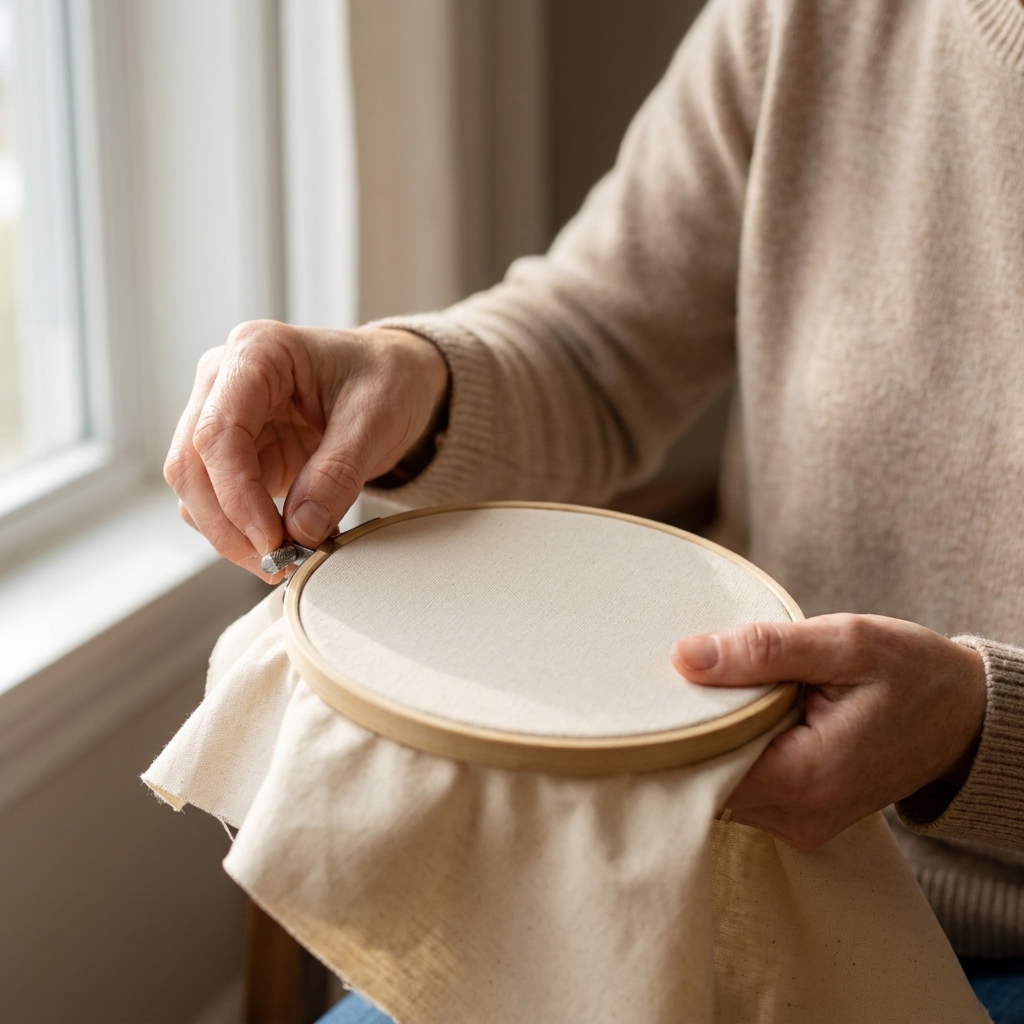
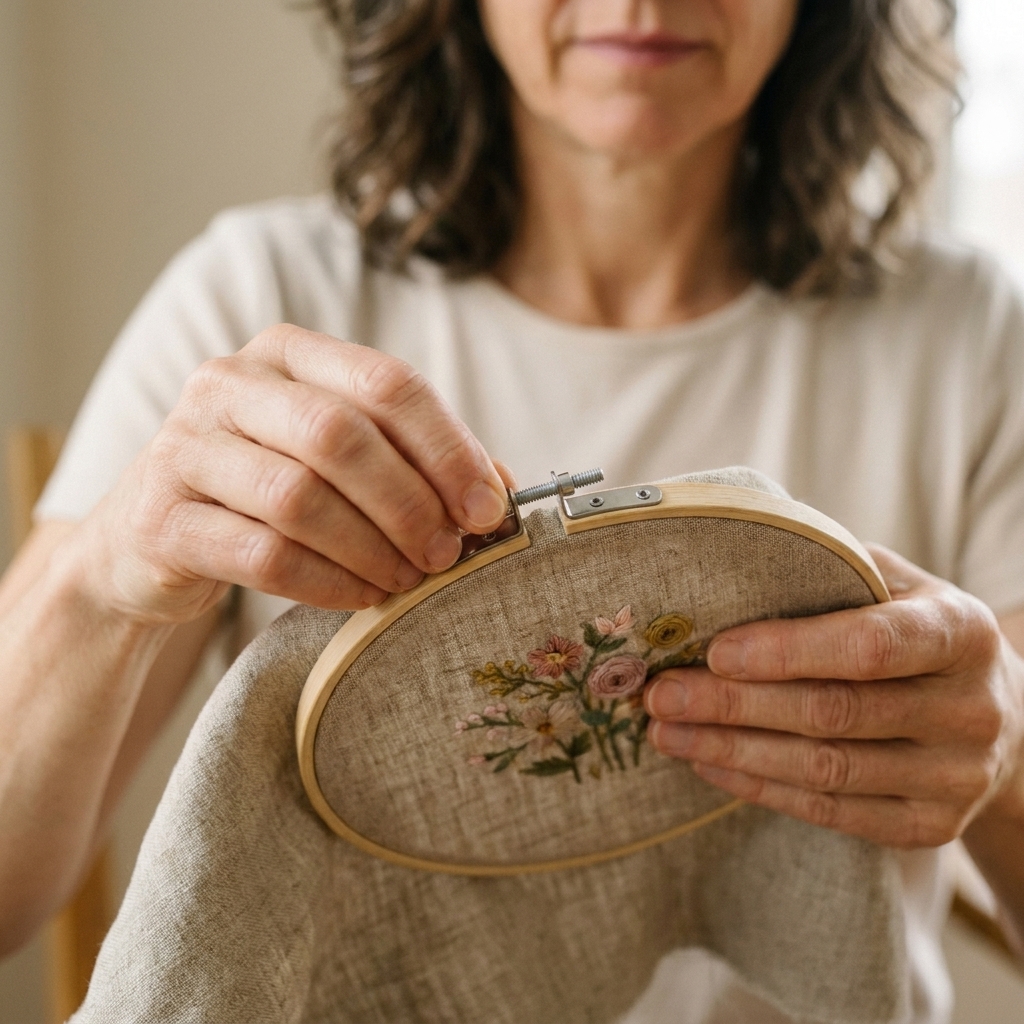
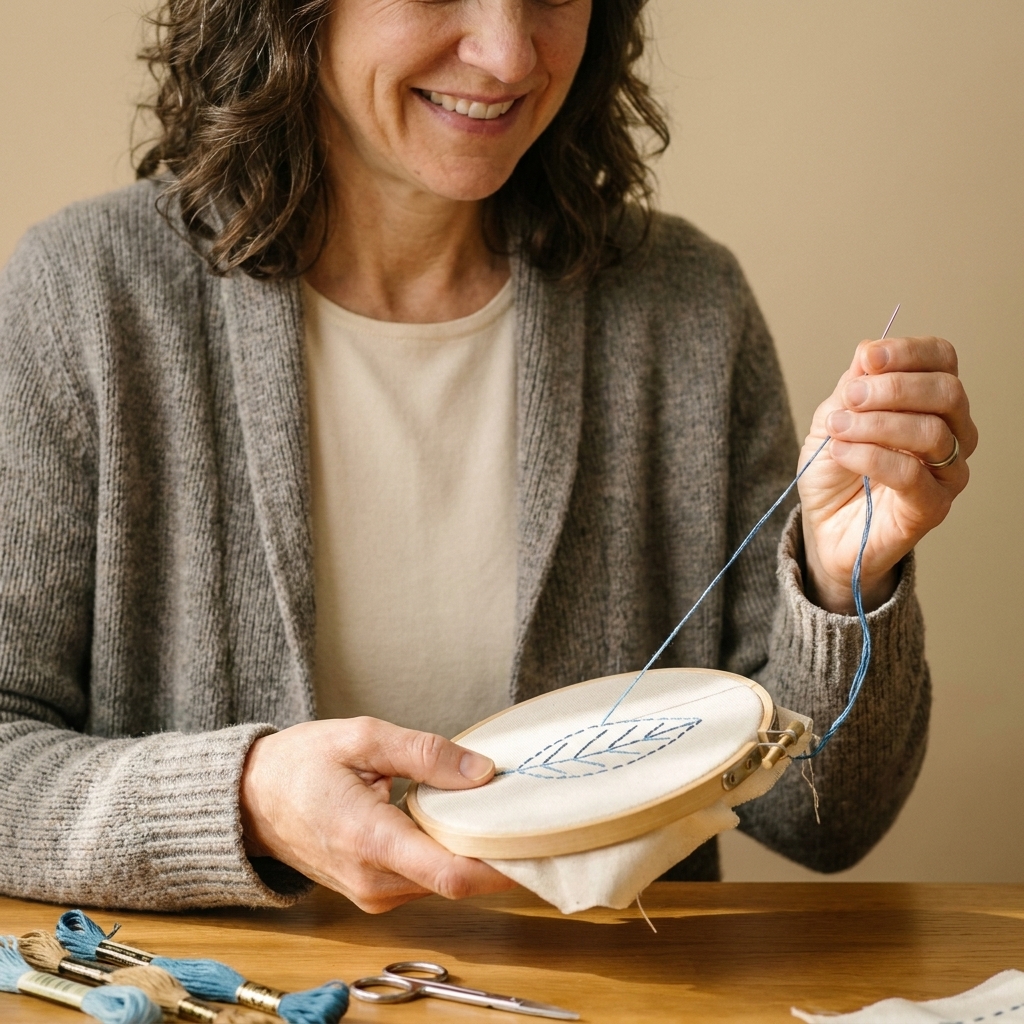
Classic for a reason. A hoop is two rings (usually wood or plastic). The inner ring goes under your fabric, the outer ring goes on top, and a screw tightens it all down. Hoops are the tool most of us start with, and they are still my go-to for small to medium embroidery.
Pros
- Affordable and easy to find. You can grab one at almost any craft store or online, and building a small set does not hurt your budget.
- Great visibility. The open back and simple frame make it easy to see your work and move your needle.
- Perfect for surface embroidery. Satin stitch, long and short, stem stitch, and French knots all behave nicely when the fabric is drum-tight.
- Lightweight. If you like to stitch curled up on the couch, hoops are generally the least bulky option.
Cons
- Hoop marks and creases. Leaving fabric in a hoop for days can imprint rings, especially on linen and tightly woven cottons. It can also squash raised stitches.
- More frequent re-tightening. Wood hoops, especially inexpensive ones, can slip as you stitch.
- Tension depends on hoop quality. A smooth inner ring or a weak screw can mean constant adjustments.
- Not ideal for very large projects. You can move the hoop around, but you will be repositioning constantly on big pieces, and that can get old fast.
Best for
- Surface embroidery motifs and florals
- Small to medium hoop art
- Quick gifts and weekend projects
- Learning new stitches and practicing tension
Clara’s tips for better hoop tension
- Bind the inner ring. Wrapping it with cotton twill tape (or bias tape) adds grip and helps prevent slipping, especially on linen.
- Tighten in two steps. Snug the screw, tug the fabric evenly all around, then tighten again.
- Do not store your WIP in the hoop. Pop it out when you are done for the day to avoid rings and flattened stitches.
- Consider a sturdier hoop. A good beechwood hoop with a strong screw is a small upgrade that feels huge.
- Use a grime guard if you stitch for long stretches. A simple fabric cover or wrap helps keep oils and lint off your working area.
Q-Snaps
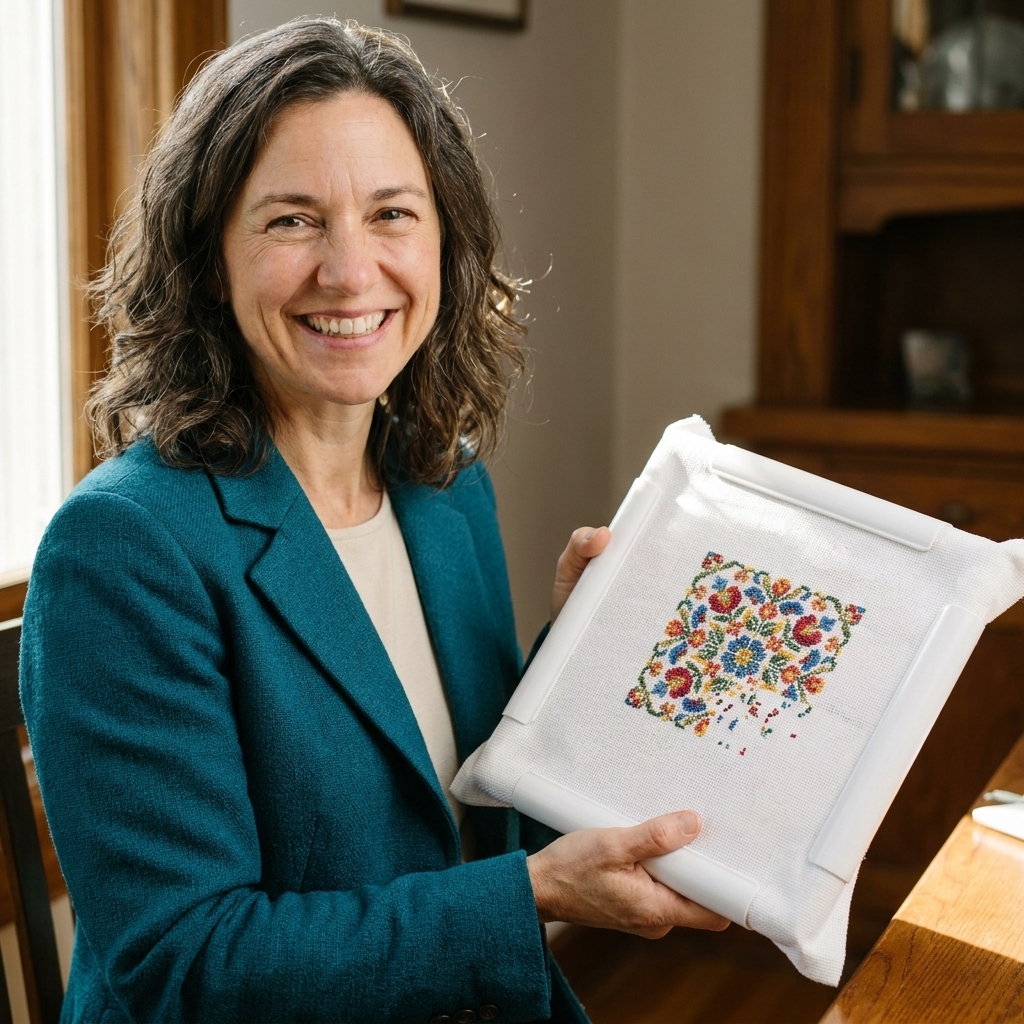
Q-Snaps are plastic frames made of tubes with clamp-style grips that snap over your fabric. Many stitchers use “Q-Snap” as a catch-all for snap frames, so you may see other brands that work the same way. Most people reach for them for cross stitch, but they can work for embroidery too if you like the feel and you are mindful of bulky stitches.
Pros
- Comfortable to hold. The rounded plastic tubes are gentle on hands, which matters a lot during long stitching sessions.
- Even tension with less fuss. Once your fabric is clamped, it tends to stay taut for a long time.
- Often fewer harsh rings than hoops. Because the fabric is gripped rather than squeezed between two rings, many stitchers see fewer deep hoop marks on common cross stitch fabrics.
- Modular sizing. Many sets let you swap sides to make different sizes without buying a totally new tool.
Cons
- Can crush stitches at the edges. The clamps can flatten bulky stitches or beads where they touch. This is the big reason I am cautious using them for heavy surface embroidery.
- Can leave clamp marks on some fabrics. Depending on the fabric finish and how tightly you clamp, you may see light impressions or shine where the grips sit.
- Fabric can slip on slick materials. Linen and some evenweaves may creep unless you add a fabric strip or grime guard under the clamps.
- Bulkier than a hoop. Great for two-hand stitching, slightly clunky if you like to stitch one-handed while holding your project up.
- Not as display-ready. Hoops can become instant wall art. Q-Snaps are purely functional.
Best for
- Cross stitch on Aida, evenweave, or linen (especially medium to large pieces)
- Patterns with lots of confetti stitches where you want steady tension
- Stitchers with hand fatigue who need a comfier grip
- Working with a stand for two-hand stitching
Clara’s tips for Q-Snaps
- Add a layer under the clamp. A strip of spare fabric, felt, or a grime guard under the clamp improves grip and helps protect delicate fabric from clamp marks.
- Rotate the frame. Turn your project so the clamps avoid bulky areas, beading, or specialty stitches.
- Do not over-stretch. You want taut, not warped. Pulling too aggressively can distort the weave over time.
- Cover what your hands touch. A grime guard is not just for scroll frames. It is a simple way to keep light fabrics brighter for longer.
Scroll frames
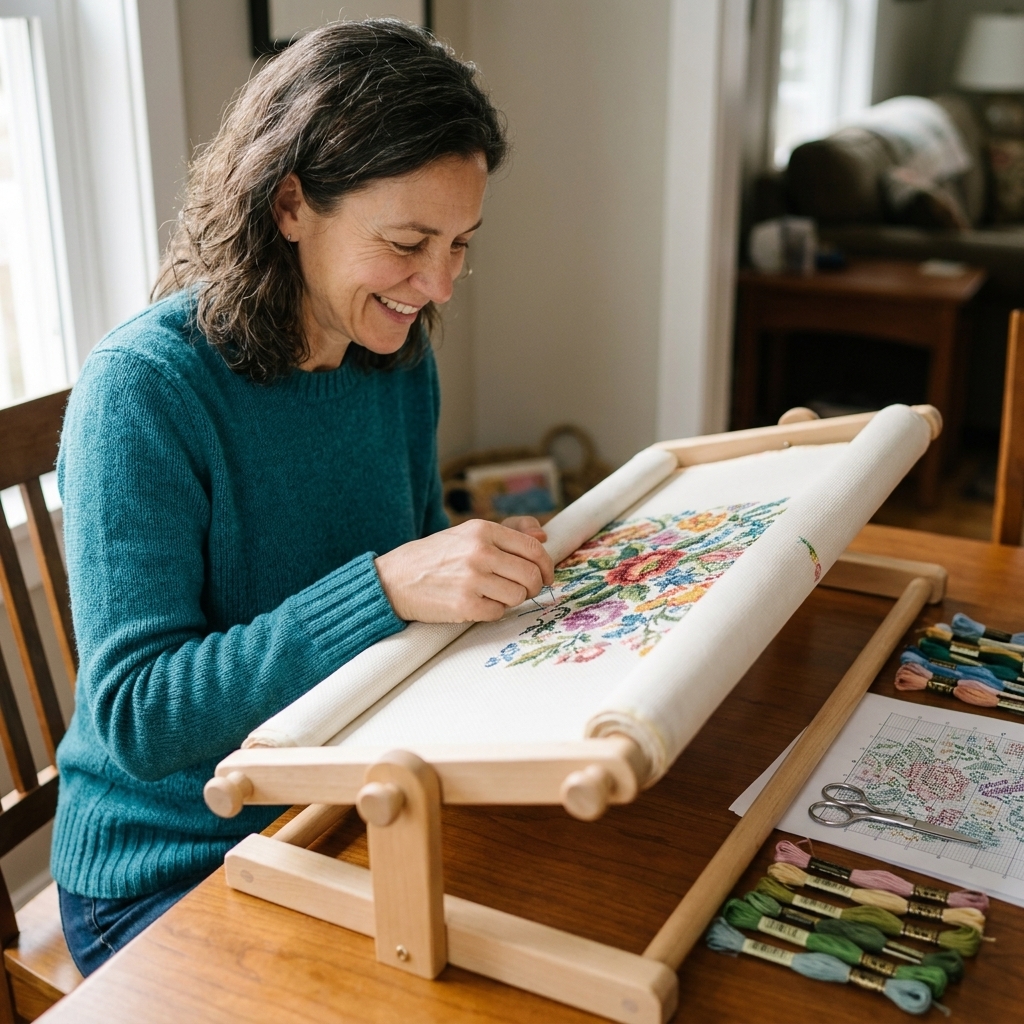
A scroll frame holds fabric by attaching it to two rollers (top and bottom). You scroll the fabric forward as you work, keeping most of the project safely rolled and out of your way. Scroll frames are the most long-haul setup of the three, but they are wonderfully practical once you get the hang of them.
Pros
- Excellent for large projects. Big samplers, full coverage cross stitch, and long borders are exactly what scroll frames are made for.
- Fewer hoop-style rings. Your fabric is rolled instead of squeezed in a ring, which often helps reduce circular marks and keeps large areas mounted neatly.
- Consistent working area. You stitch in a window, then advance the fabric when you are ready.
- Great with a stand. If you love two-hand stitching, a scroll frame paired with a floor or lap stand is a dream.
Cons
- More setup time. Attaching fabric evenly takes patience the first few times.
- Initial cost and storage. Scroll frames can be pricier, and the long bars take up space.
- Tension may need side help. Many stitchers use side tensioners (clips or lacing) to keep the fabric taut across the width.
- Rolling can still crease fabric. If you over-tighten, roll too tightly, or use a clamp or Velcro system that grips aggressively, you can still get fold lines or edge distortion.
- Not ideal for tiny projects. It can feel like bringing a rolling pin to a cupcake party.
Best for
- Large cross stitch pieces, especially full coverage
- Long-term WIPs you will work on over weeks or months
- Projects with lots of parking, grids, or structured counting
- Stitchers who prefer a stand and two-hand technique
Clara’s tips for scroll frames
- Square the fabric before mounting. Make sure your fabric is cut straight on the grain so it rolls evenly.
- Use twill tape or sewn-on leaders if needed. Some frames attach best when you sew the fabric edge to a leader strip for stability.
- Add side tensioners. Simple clips with elastic bands can make a huge difference in keeping the center taut.
- Cover the rolled fabric. A soft cloth or grime guard over the roll protects it from hand oils, dust, and curious pets.
- Do not crank the rollers. Firm and even beats “as tight as humanly possible,” especially if you want to avoid rolling creases.
How to choose
If you are still torn, choose based on three things: project size, stitch style, and how you like to physically stitch. The right choice is the one that keeps you comfortable and keeps you stitching.
By project size
- Small (ornaments, mini motifs, 4 to 6 inch designs): hoop
- Medium (most patterns that fit in an 8 to 11 inch working area): hoop or Q-Snap
- Large (samplers, full coverage, anything you dread repositioning): scroll frame or a large Q-Snap
By stitch type
- Surface embroidery with raised stitches: hoop (and remove between sessions)
- Cross stitch with lots of counting: Q-Snap or scroll frame
- Beads or heavy specialty stitches near the edge: hoop or scroll frame (Q-Snap clamps can flatten beads)
By how you stitch
- One hand holding, one hand stitching: hoop feels natural
- Two-hand stitching (one hand above, one hand below): Q-Snap or scroll frame, ideally with a stand
- Stitching in bed or while traveling: hoop is easiest to pack and manage
A quick sizing note
- Q-Snaps: Many stitchers like an 8 x 8 or 11 x 11 inch frame for a comfortable working window, then move the frame as needed.
- Scroll frames: Pick a roller width that comfortably fits your fabric plus margins on both sides so you can tension without stressing the stitched area.
Keeping fabric taut
Whatever tool you use, tension is a skill you can improve. These small habits make a bigger difference than most people expect.
- Work with clean hands. Hand oils and everyday grime can dull fabric and make it feel less crisp over time.
- Support the tool. If your frame is wobbling in your grip, tension will never feel consistent. A lap stand can be a game changer.
- Re-tension before it gets bad. A tiny adjustment every so often is easier than wrestling it back from sad hammock fabric.
- Mind your pull. Tight fabric does not mean yanking your stitches tight. Let the needle and thread glide, not tug.
- Protect finished stitches. No matter the holder, avoid clamping or pressing directly on bulky, beaded, or freshly stitched areas when you reposition.
Other options
If none of these feel quite right, you have company. A few other holding tools are very common, depending on what you stitch.
- Slate frames: A traditional, rock-solid option for techniques like crewelwork and goldwork. Great tension, more setup.
- Stretcher bars: Four bars that form a rigid rectangle, often used for needlepoint and canvaswork. Excellent access and tension when assembled well.
- Spring hoops: A quick-grip hoop style that is fast to use, but tension can be inconsistent depending on fabric and hoop quality.
FAQs
Are Q-Snaps better than hoops for cross stitch?
Often, yes, especially for medium to large cross stitch pieces. Many stitchers find Q-Snaps stay taut longer and feel better in the hands. If you prefer a lighter tool or you travel a lot, hoops can still be a great match.
Do hoops ruin fabric?
They can leave temporary rings or creases, particularly if the project sits in the hoop for days. Removing your work between sessions and binding the inner ring helps a lot. Most hoop marks relax with gentle washing and blocking once the piece is finished.
Do scroll frames keep fabric drum-tight?
They can, but many projects need a little extra help along the sides. Side tensioners, lacing, or clip systems are common. The big benefit is that your fabric stays mounted and protected while you scroll through the design.
Which is best for embroidery (not cross stitch)?
For most surface embroidery, a good wooden hoop is the simplest and most controllable option. If you are doing a large embroidered panel, a scroll frame can be wonderful, especially if you want to minimize hoop marks.
My recommendation
If you are building your toolkit from scratch, start with one high-quality wooden hoop in a versatile size (around 6 to 8 inches) and learn what good tension feels like. Then, if you fall hard for cross stitch or you start tackling bigger patterns, add a Q-Snap for comfort and consistency. Save the scroll frame for the moment you begin a project so large you can already tell it will become your long-term companion.
And if you are anything like me, you will eventually own all three, plus a small pile of needle minders you absolutely did not need but had to have anyway.